What Star Wars: Unlimited actually is
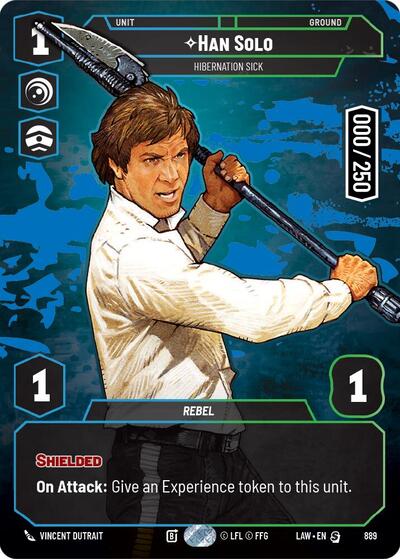
Star Wars: Unlimited is Fantasy Flight Games' two-player card game covering the whole Star Wars canon at once — original trilogy, prequels, sequels, animated series and everything between can sit in the same deck. It is built to be readable: one resource system, one damage number, and a board you can take in at a glance.
Every deck is anchored by two cards that start face-up: a leader, who can be deployed to the board later in the game, and a base, which carries the hit points you are defending. Your opponent wins by reducing that base to zero, and you win by doing it first. Everything else in the deck — units, events and upgrades — exists to control the two arenas where fighting happens.
We track 7,777 separate printings across 9 expansions and the promo lines, priced from a daily TCGplayer snapshot (latest: August 25, 2026). That number is printings, not unique cards: a card printed in four treatments is four products with four prices.
How a game plays out
Resources are paid for by putting cards from your hand face-down into a resource row, so every card is either a spell you cast or the fuel to cast something else. That single decision — play it or burn it for a resource — is most of the early game.
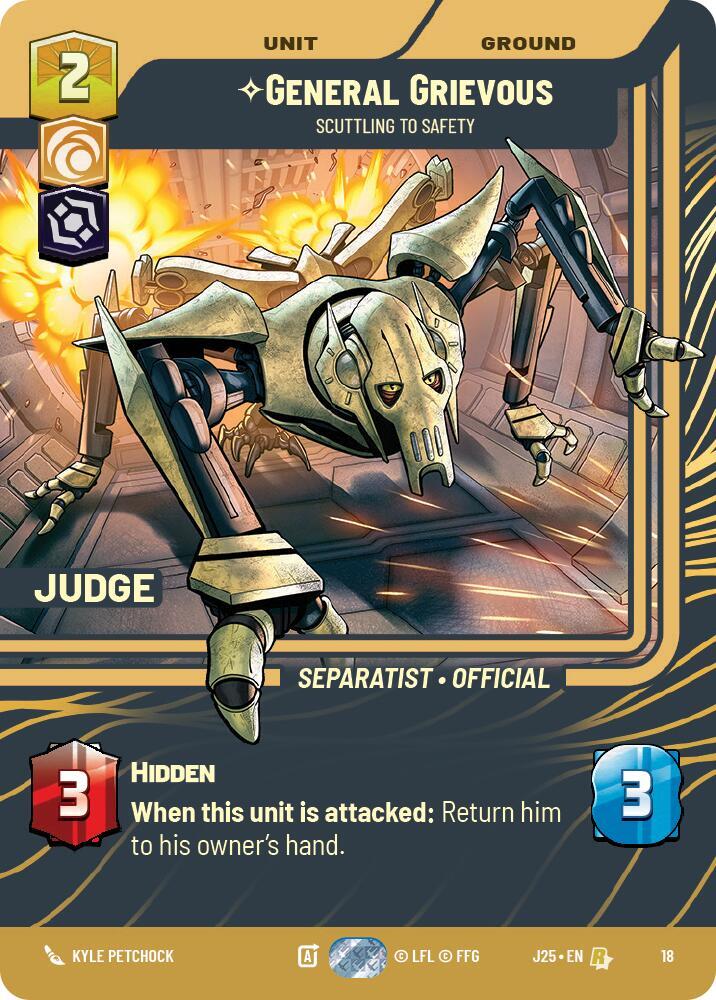
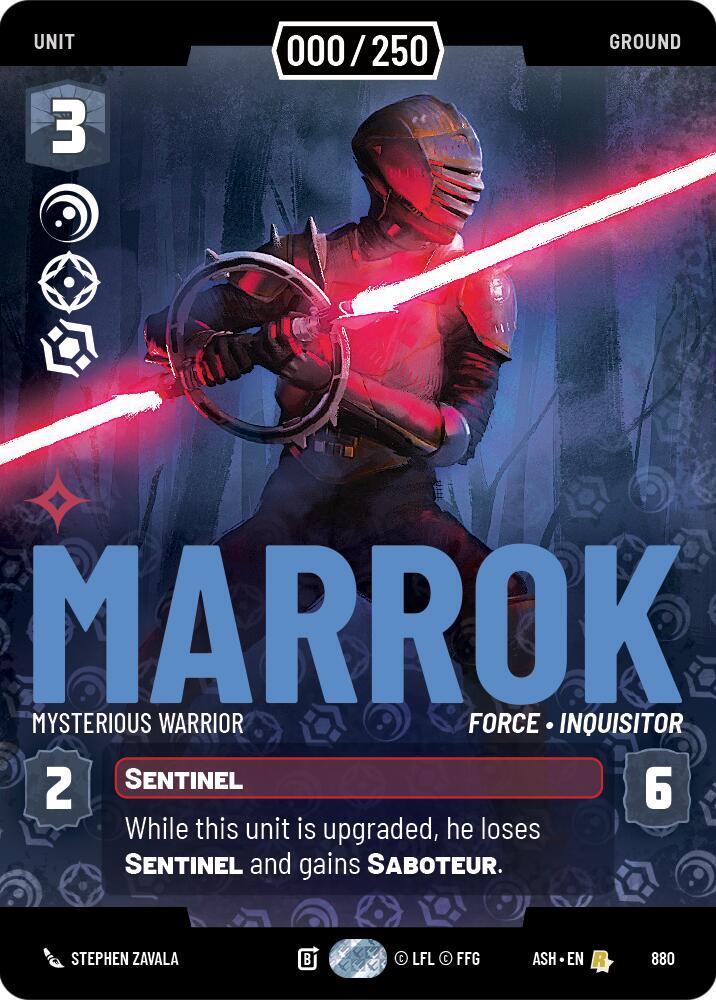
Units are deployed to one of two arenas, ground or space, and attack within their own arena or straight at the enemy base. Initiative passes back and forth between rounds, which is why the ability to claim it is priced so highly in competitive lists. There is no long ramp: games resolve in a handful of rounds, and the leader flipping onto the board is usually the moment the pace changes.
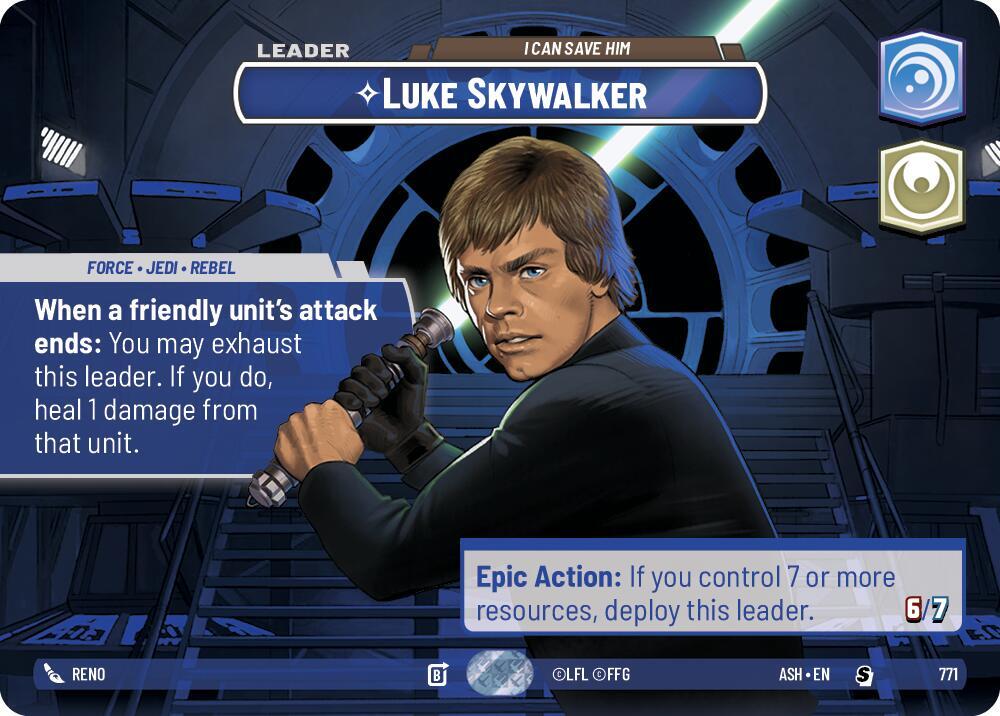
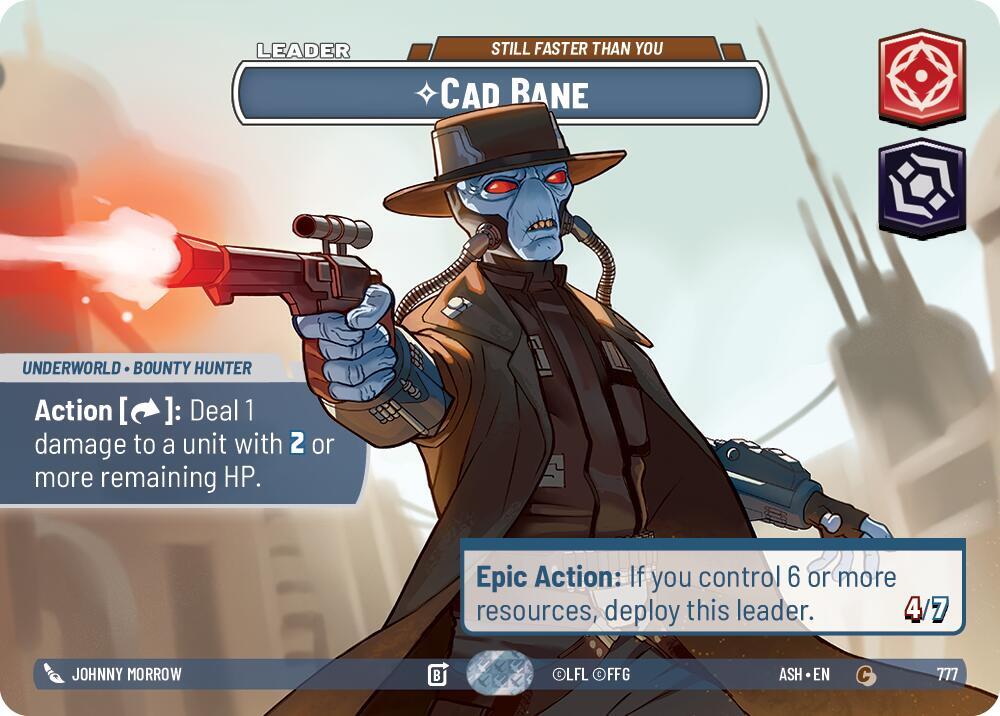
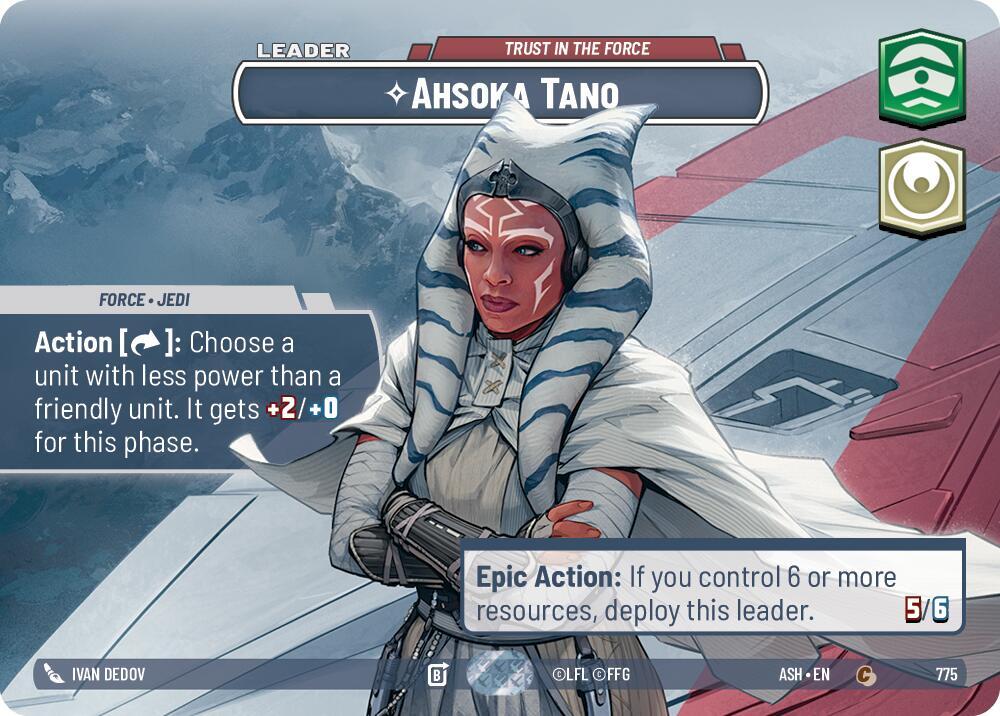
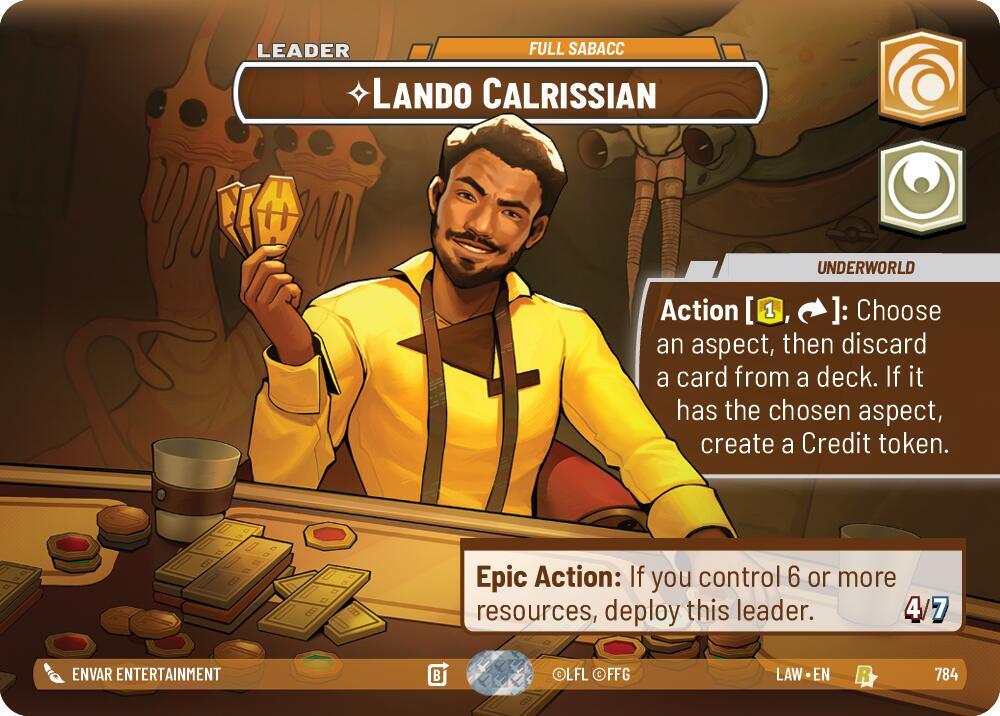
Leaders are the most collected cards in the game for the same reason they are the most played: one per deck, face up on the table for the whole match, and reprinted across every premium treatment the game has.
Premier vs Eternal — the format question
Star Wars: Unlimited has two constructed formats. Premier rotates once a year in March; Eternal never rotates and every card ever printed is legal in it. The first rotation landed in March 2026 and moved the first three sets — Spark of Rebellion, Shadows of the Galaxy and Twilight of the Republic — to Eternal only.
For a new player this matters mostly at the shop counter. If your local events are Premier, buy into a set that is currently Premier-legal; if the group plays Eternal or kitchen-table games, the rotated sets are the cheapest way into the game and nothing about them stops working. Our rotation page lists what is legal where and tracks the next scheduled rotation.
| Set | Format | Printings tracked |
|---|---|---|
| Jump to Lightspeed | Premier | 1,158 |
| Legends of the Force | Premier | 1,170 |
| Secrets of Power | Premier | 1,167 |
| A Lawless Time | Premier | 922 |
| Twin Suns | Premier | 84 |
| Ashes of the Empire | Premier | 934 |
| Spark of Rebellion | Eternal only | 543 |
| Shadows of the Galaxy | Eternal only | 539 |
| Twilight of the Republic | Eternal only | 542 |
Printings tracked = separate TCGplayer products in the August 25, 2026 snapshot, counting every treatment as its own priced card.
What to buy first
1. A pre-built deck or a two-player set
The cheapest legal way to sit down and play is a pre-constructed product: a starter/intro set arrives as a working deck with a leader and a base, so nothing has to be built. Fantasy Flight has released these under several names — Two-Player Starter, Intro Battle boxes and similar — and we track 104 printings from the Intro Battle line alone.
2. Singles for the deck you actually want
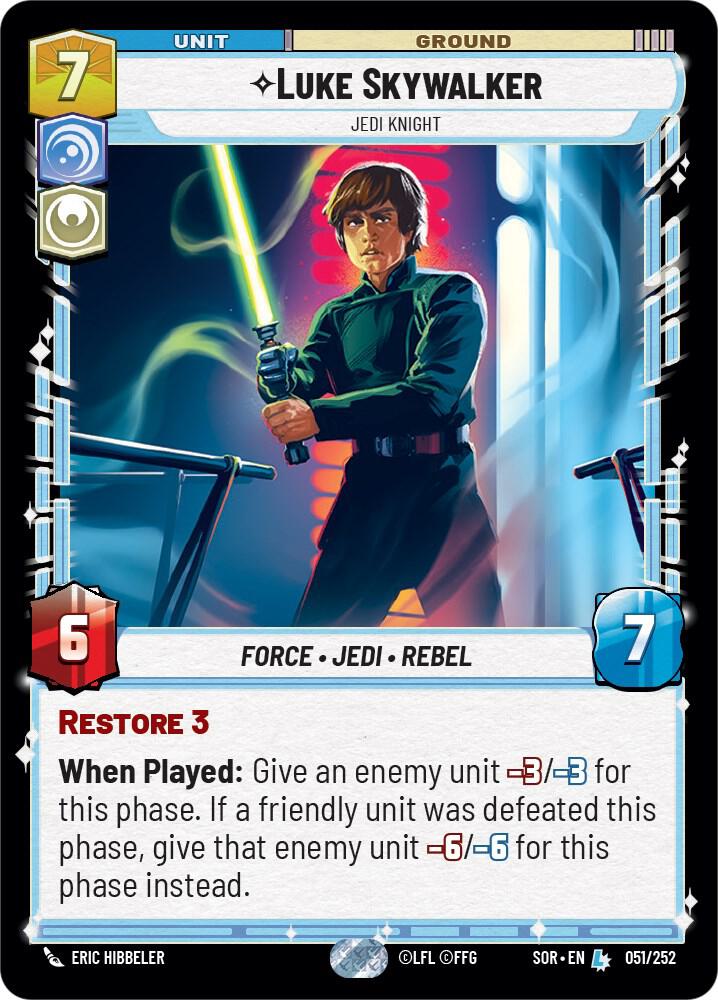
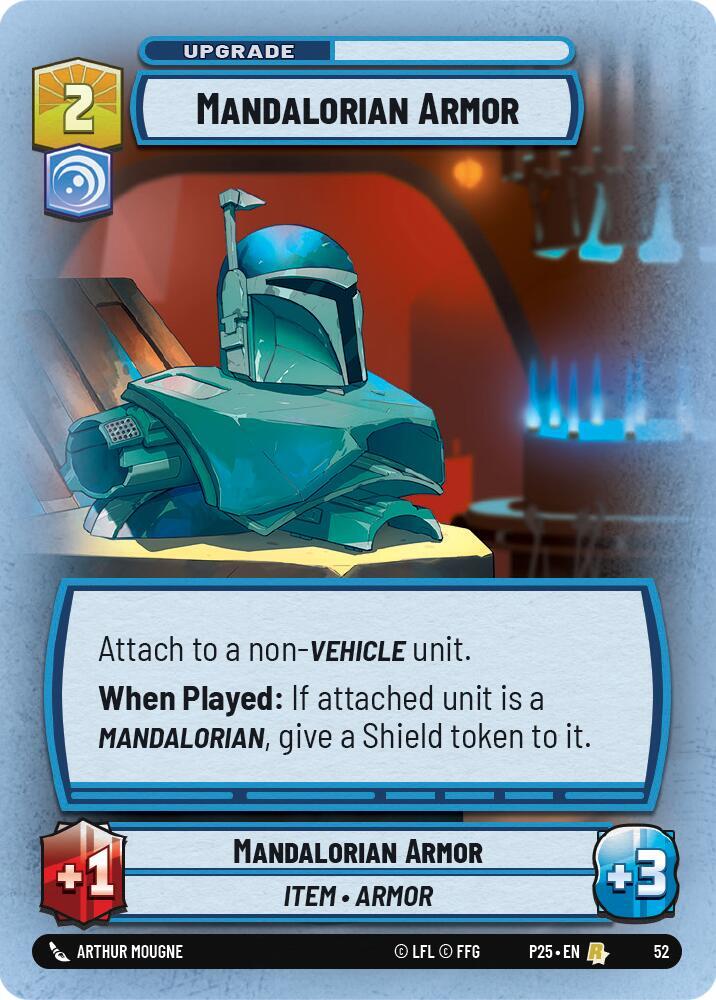
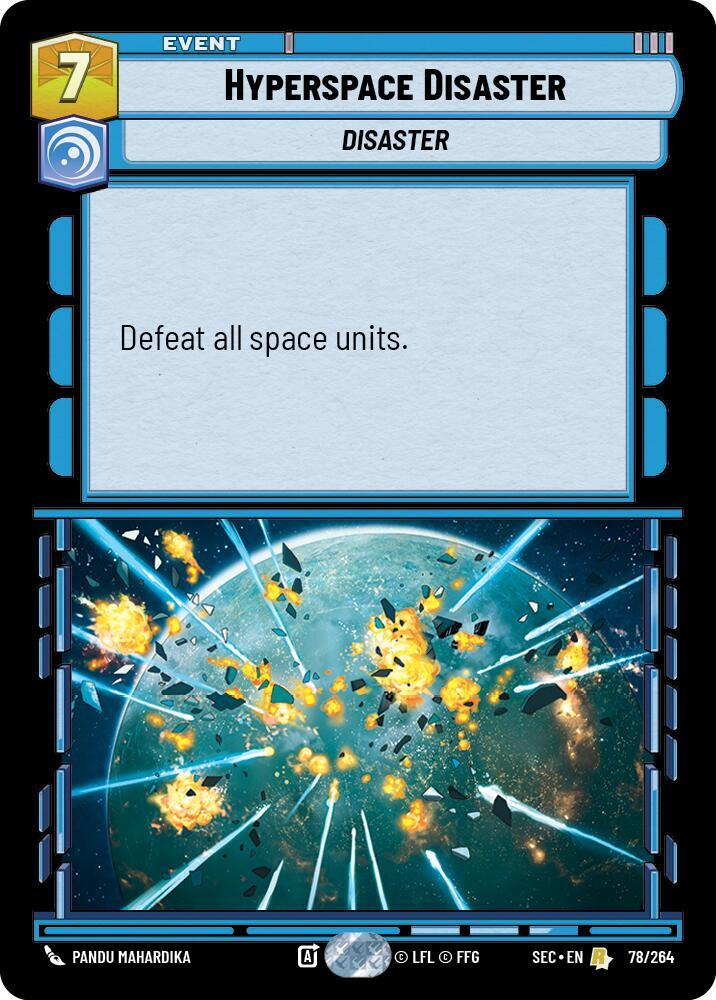
Sealed is the expensive route to a specific deck. Base-printing playables are the cheapest cards in the game — the median base printing sits at $0.53 on our snapshot — so a tuned deck of commons and uncommons costs a fraction of a booster box.
3. Sealed, once you know you like it
The one booster box we currently hold a price for is Twilight of the Republic at $35.78 on the August 25, 2026 snapshot. Fantasy Flight does not publish pack odds for Star Wars: Unlimited, so we do not publish pull rates for it either — any box-value estimate you read elsewhere is someone's sample, not a disclosed rate.
Budget guidance
- Around $30: one pre-built deck. Legal, complete, playable at any casual night.
- Around $60: two pre-built decks so you can teach someone, plus sleeves.
- Around $120: a pre-built as a base plus singles toward a Premier-legal list.
- $250+: a box to open plus the singles a box will never give you.
The one piece of advice worth repeating: buy the format your shop actually runs. A Premier deck at an Eternal table is fine; the reverse is not.
Where to play, and what to read next
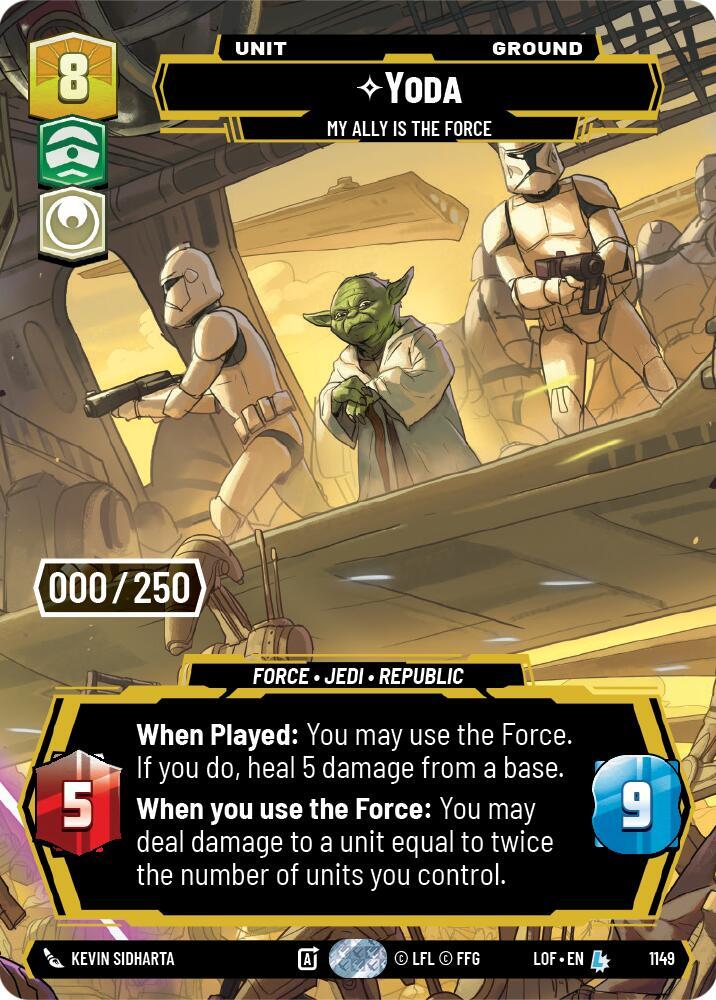
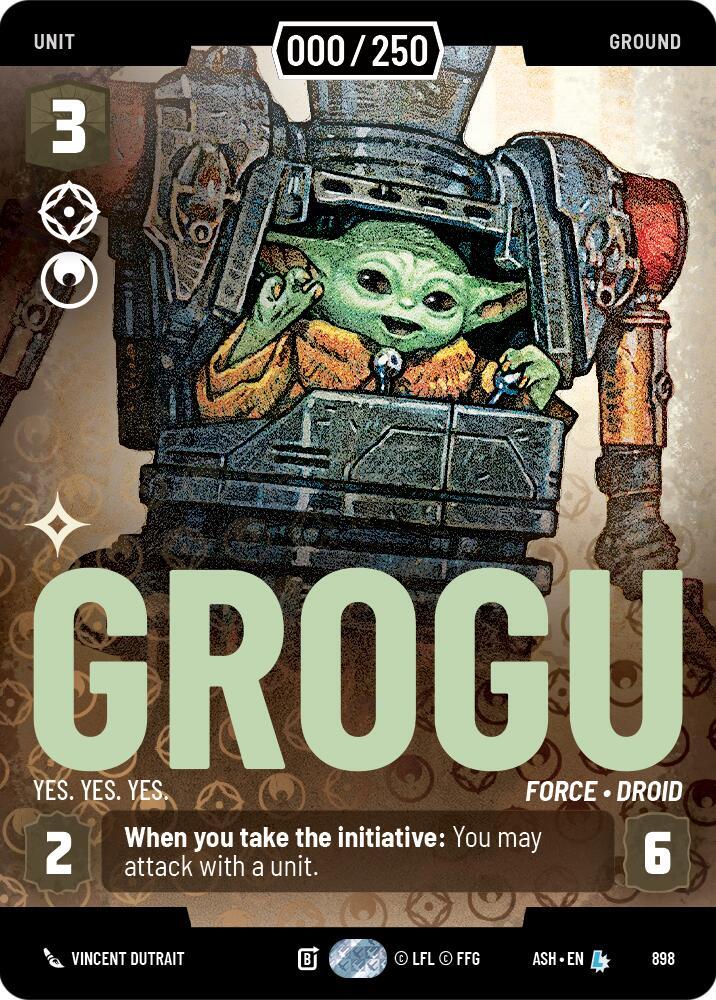
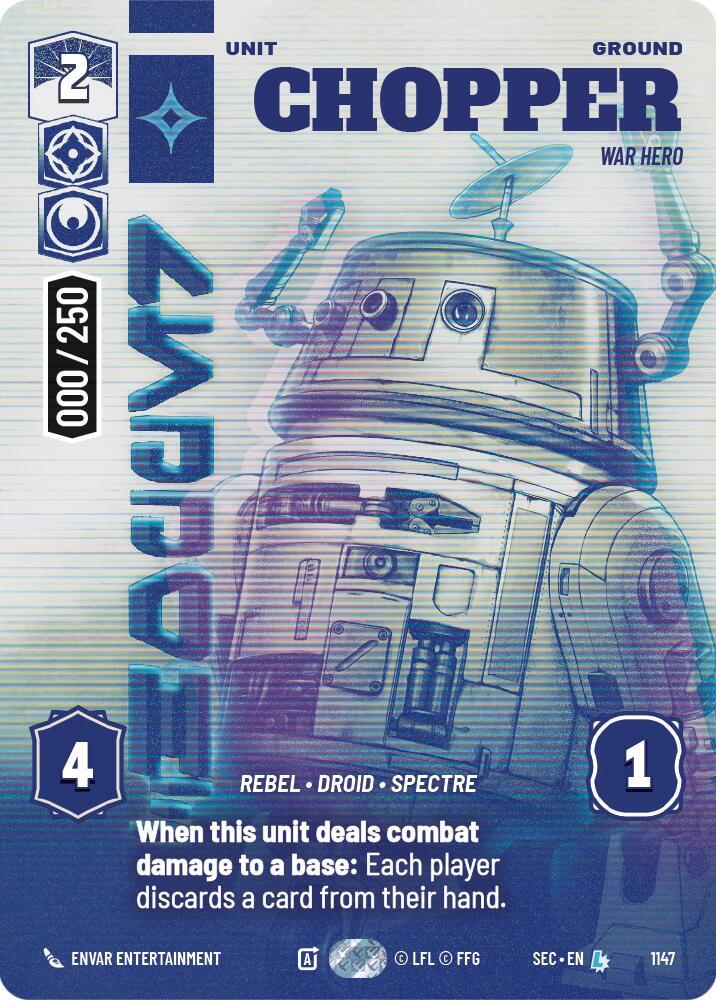
Star Wars: Unlimited is stocked by most stores that carry Magic or Pokémon, and Fantasy Flight runs a tiered organized-play programme from weekly store events up to championship level. Weekly Play Promos are the entry-level prize support, and they show up in our data as their own small sets.
From here: the rarities and treatments guide explains why the same card has five prices, Leaders ranks every leader by tracked value, and the market hub and value screener track what moved overnight.
Common questions
What do you need to start playing Star Wars: Unlimited?
One pre-built deck. Every starter or intro product is a complete legal deck containing a leader, a base and a 50-card deck, so nothing has to be built or bought separately. Sleeves are the only other thing worth adding.
What is the difference between Premier and Eternal?
Premier is the rotating tournament format and only includes the current rotation block; Eternal includes every card ever printed and never rotates. The first rotation happened in March 2026 and moved Spark of Rebellion, Shadows of the Galaxy and Twilight of the Republic to Eternal only.
How do you win a game of Star Wars: Unlimited?
You reduce your opponent's base to zero hit points. Units are deployed to the ground or space arena and can attack units in their own arena or the enemy base directly.
Is it cheaper to buy singles or booster boxes?
Singles, if you want a specific deck. Base printings are the cheapest cards in the game and most of a constructed deck is commons and uncommons. Buy sealed for the experience of opening it, not as a route to a deck list.
What are the pack odds for Star Wars: Unlimited?
Fantasy Flight Games does not publish pack odds for Star Wars: Unlimited. InkSight therefore publishes no pull rates for it — any rate you see quoted elsewhere is derived from someone’s own opening sample, not a disclosed figure.