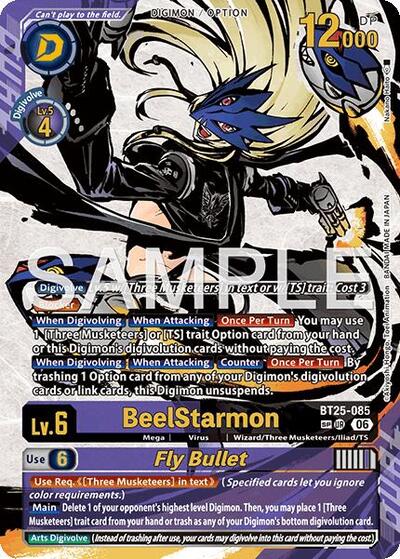
Digimon players ask about BT25 pull rates constantly, and the truthful answer is short: Bandai has never published odds for the Digimon Card Game. What it publishes is the checklist — how many card types exist at each rarity — which is a different thing that is often quoted as if it were the same.
Below is the sourced structure, the actual composition of Dual Revolution from our daily snapshot, and current prices at each tier. Where we could not verify a figure from an official page, the row says "unverified" instead of carrying a number.
What the publisher actually publishes
Before any rate: here is every structural figure for Dual Revolution that comes from a source you can check, with its provenance next to it.
| What | Figure | Provenance | Source |
|---|---|---|---|
| Cards per pack | 12 | official | Bandai — Digimon Card Game products |
| Packs per booster box | 24 | retailer-listed | — |
| Rarity type counts for the set | published as "types", not odds | official | Bandai — Digimon Card Game products |
| Per-pack rarity slot breakdown for BT25 | not confirmed from an official page | unverified | — |
| Published pull rate for any rarity | none | official | — |
Provenance is stated on every row on purpose. "Official" means the publisher printed it; "retailer-listed" means the figure comes from the sealed product listing; "counted by InkSight" means we counted it in the August 25, 2026 snapshot ourselves. Nothing here is a probability, because none of these figures is one.
Are there official pull rates for Dual Revolution?
No. Bandai publishes a rarity type count for each Digimon set — how many Commons, Uncommons, Rares and so on exist on the checklist — which is composition, not probability. It publishes no odds, and we could not confirm an official per-pack slot breakdown for BT25 specifically, so this page does not state one.
So this page publishes the structure, the checklist composition and the current prices, and stops there. Where you see a "1 in X" figure for this set elsewhere, it is somebody's opening sample — sometimes a good one, usually undated, rarely with the sample size attached. We will add community data to this page the day a dataset clears our bar: a stated number of packs opened, a stated collection window, and raw per-pack results rather than a summary.
Dual Revolution by rarity — the composition, not the odds
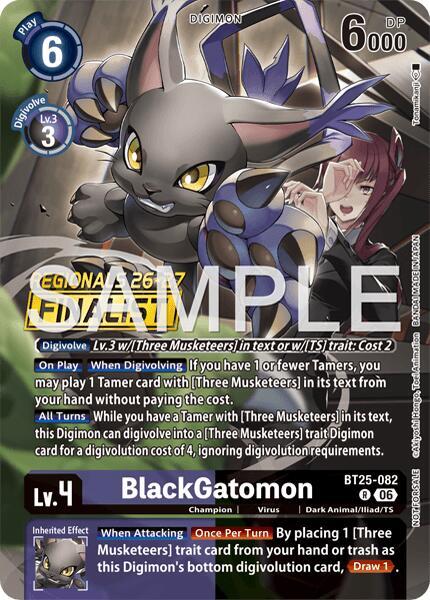
Dual Revolution follows the modern Digimon shape: a broad Common/Uncommon base, a Rare and Super Rare middle, and a thin band of Secret, Ultra and Ultimate Rares where the money is.
| Rarity | Printings in the set | Share of the set | Median price |
|---|---|---|---|
| Common | 42 | 28.2% | — |
| Uncommon | 34 | 22.8% | $0.79 |
| Rare | 32 | 21.5% | $22.86 |
| Super Rare | 26 | 17.4% | $9.43 |
| Secret Rare | 6 | 4.0% | $10.36 |
| Ultimate Rare | 9 | 6.0% | $24.64 |
Printings counted in the August 25, 2026 snapshot: every separately-priced product in Dual Revolution, so an alternate-art printing counts as its own row. Share of the set is a composition figure — how much of the checklist sits at that tier — and it is not a pull rate. A tier that is 4% of the checklist is not pulled 4% of the time; print runs are not proportional to checklist size, and no publisher has told anyone what they are. Medians use confident prices only and are shown from five priced printings up.
What a box costs, and what that buys
On the August 25, 2026 snapshot a sealed Dual Revolution booster box sits at $95.17. Divided across 24 packs that is $3.97 a pack, or 288 cards for the box. That is the entire arithmetic anyone can do honestly: price per pack is a division, expected value is not, because expected value needs odds and there are none.

That listing is the one number in this section that is a real, checkable price for a real SKU. What the box contains is a different question, and the cards below are the honest way to think about it: most of what comes out of a box sits in the middle of the ladder, not at the top of it.
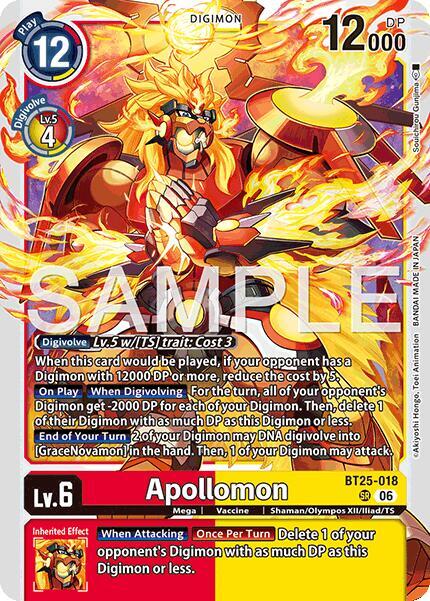
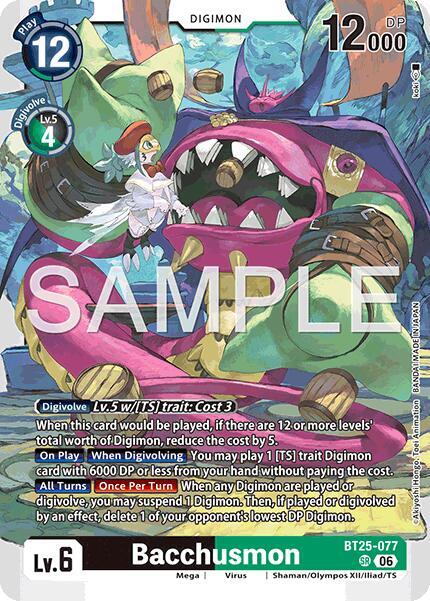
Across the whole set we hold confident prices on 60 of 149 tracked printings; the median printing is $11.38 and the sum of every priced printing in the set is $2966.98. That last number is the cost of one of every card at market, not the value of a box — a box contains a small, unknown-to-us slice of that checklist.
The cards people are actually opening for
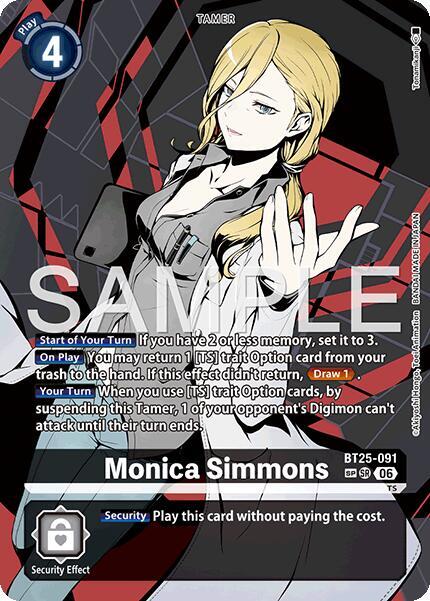
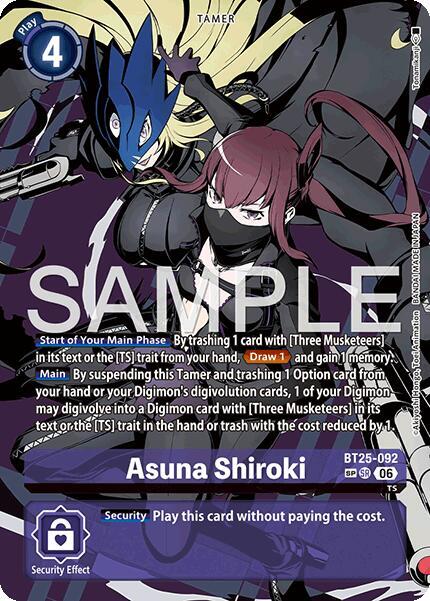
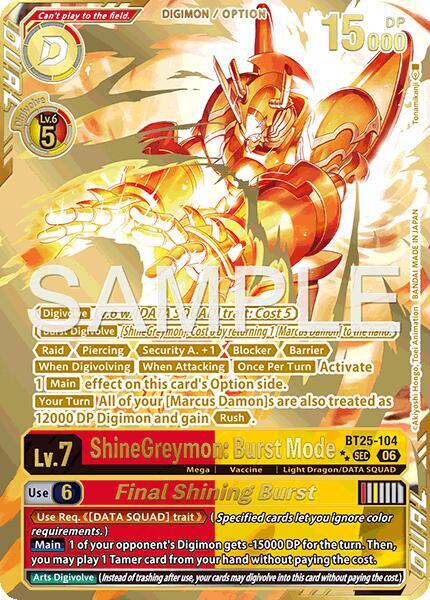
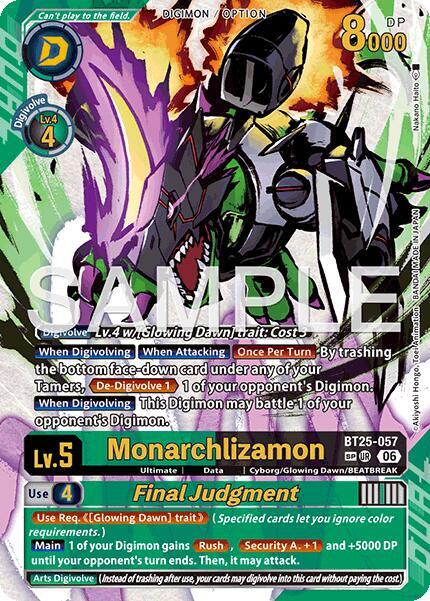
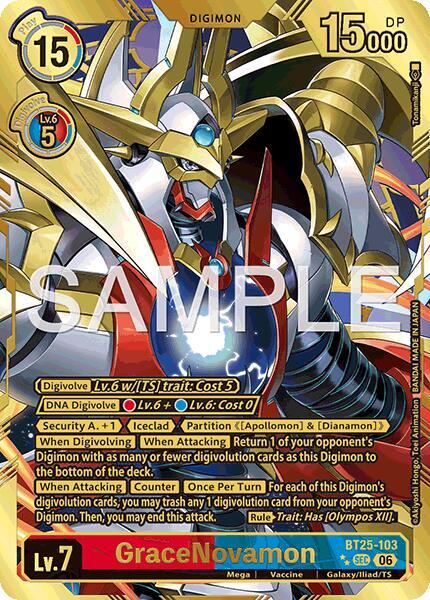
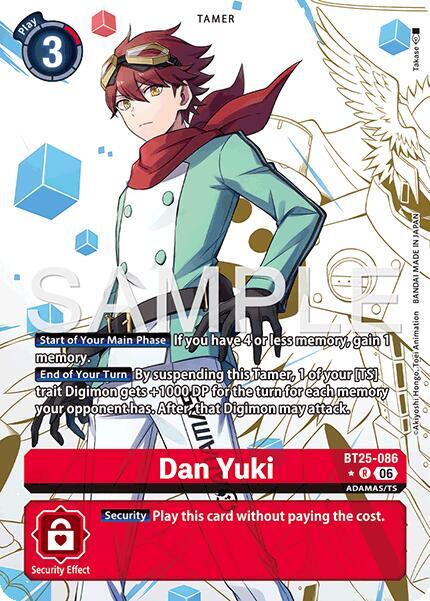
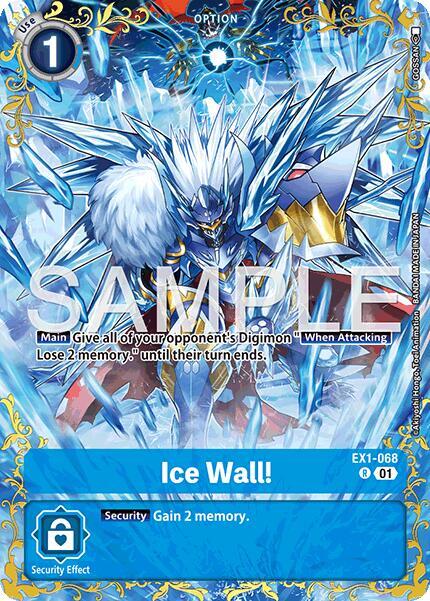
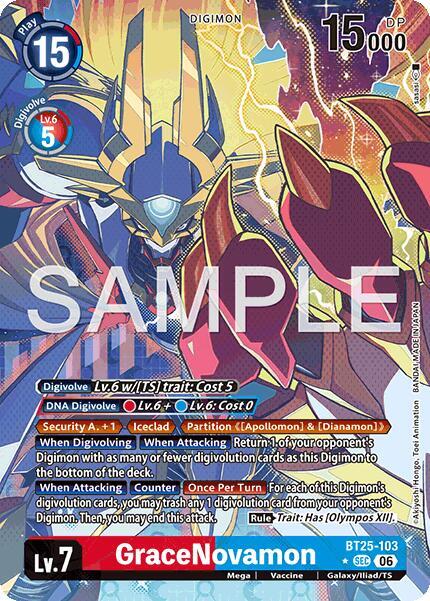
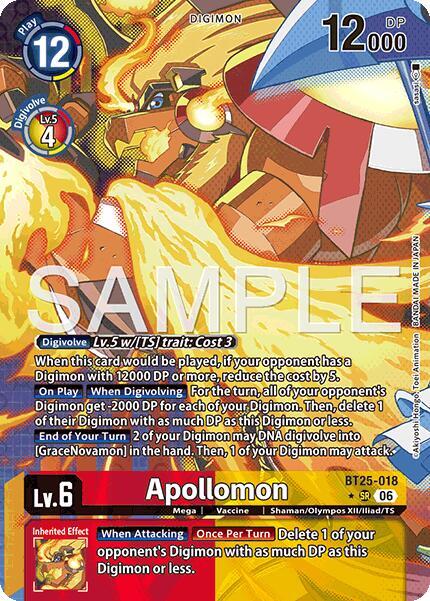
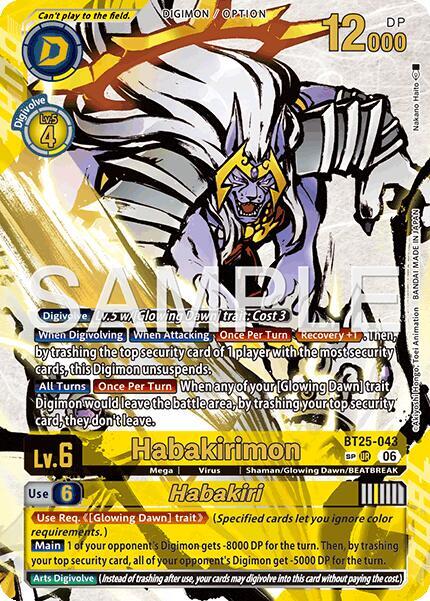
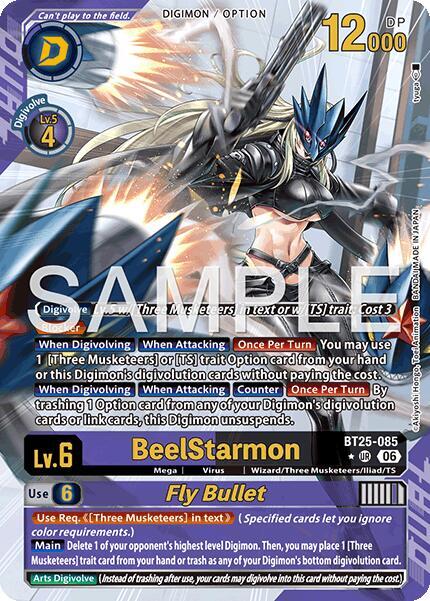
The Ultimate and Ultra Rare printings sit at the top of the set, with the Secret Rares behind them — a small enough band that a single reprint or tournament result moves the whole tier.
Is a box worth opening?
Twelve cards a pack and 24 packs a box is a lot of cardboard, but the value in a modern Digimon set is concentrated in a handful of alternate-art printings whose frequency nobody outside Bandai knows.
The honest framing: buy sealed for the experience of opening it. If you want specific cards, singles are cheaper and certain — and most of a playable deck sits in the $1.00–$15.00 band below.
What would make us publish a rate
We would publish a community pull rate for Dual Revolution if a dataset arrived with: the number of packs opened, who opened them, when, whether the packs came from the same case, and the per-pack results rather than a total. Anything short of that is an anecdote with a percentage sign on it, and the reason it matters is that box-break samples are small and case-mapped — a hundred packs from two cases can be wildly unrepresentative of a print run.
Until then, the numbers on this page are the ones we can stand behind: what the publisher printed, what our snapshot counted, and what the market is paying today. The Digimon market hub tracks what moved overnight across the whole game.
Common questions
What are the pull rates for Digimon BT25 Dual Revolution?
None are published. Bandai releases the set checklist and the number of card types at each rarity, but no per-rarity probability for the Digimon Card Game. Any "1 in X" figure for BT25 comes from a community box-break sample.
How many cards are in a Digimon booster pack?
Twelve cards per pack for the English booster line, with 24 packs to a booster box. The pack count is stated by Bandai; the box count comes from retail listings.
What is the rarest card type in Dual Revolution?
The Ultimate Rare tier is the thinnest band on the checklist and the most expensive on our snapshot, with Ultra Rare and Secret Rare behind it. Thin does not mean rare in a known ratio — no ratio has been published.
Is a Dual Revolution booster box worth buying?
Expected value requires odds, and there are none, so the only honest answer is about price: compare the sealed box price against the singles you actually want.
Where can I see current Dual Revolution card prices?
The InkSight Digimon card browser and market hub track every printing from a daily TCGplayer snapshot with the snapshot date shown.