InkSight data brief · Market data: 7 TCGs · August 25, 2026
How concentrated is TCG set value? 306 sets across seven games, measured
Of 197 sets with enough priced cards to measure across seven trading card games, 93 hold at least 60% of their tracked value in five cards. The distribution, by game, from the InkSight snapshot of August 25, 2026.
Across seven trading card games, InkSight tracks 306 sets. 197 of them carry enough priced cards to measure, and of those, 93 are highly concentrated — the five most valuable printings hold at least 60% of the set's tracked value — 78 are concentrated (40–60%) and 26 are spread out (under 40%). The remaining 109 sets have fewer than 20 eligible priced cards, so they are not measured at all, and we say so rather than reporting them as zero. Everything below is one day's snapshot, August 25, 2026.
- Sets tracked
- 306
- Measurable
- 197
- Highly concentrated
- 93
- Concentrated
- 78
- Spread out
- 26
- Too few priced cards
- 109
How this is measured
The measurement is the same one the Chase Concentration block publishes on every set page, run over every set of every game at once. A card's value is its TCGplayer Market Price, with the lowest ask used only when no market quote exists. Only cards our snapshot classifier flags verified or moderate confidence count; presale, thin and outlier listings are excluded, as are serialized one-off printings, because a single serialized card can carry a whole set's total on its own. A set needs at least 20 eligible priced cards before any percentage is reported. The verdict boundaries — 40% and 60% of tracked set value in the top five cards — are registry values shared by the site and by this article, not thresholds chosen for this piece. Prices are a daily snapshot, never a stream, and these are listings and Market prices as recorded, not confirmed sales data.
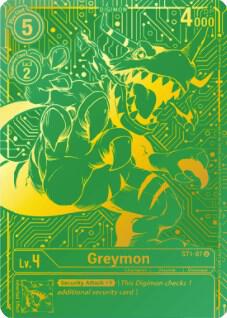
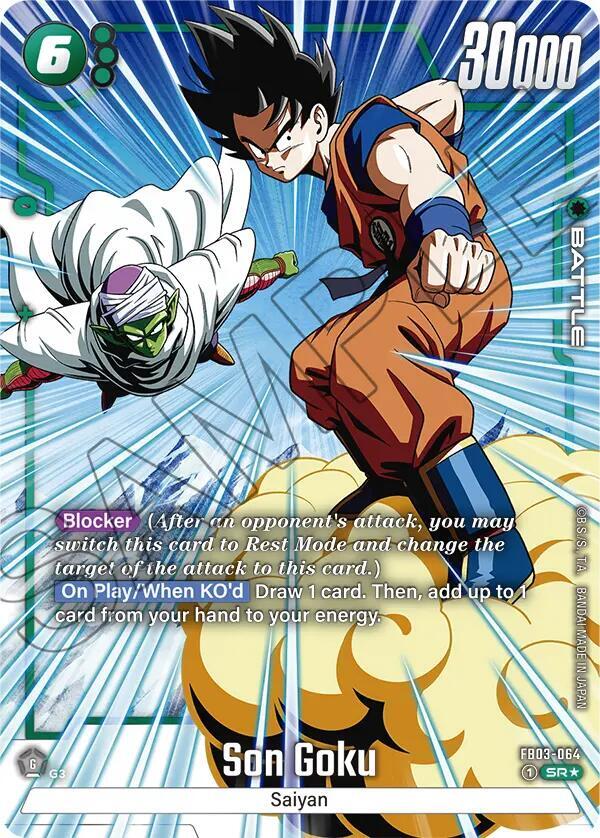
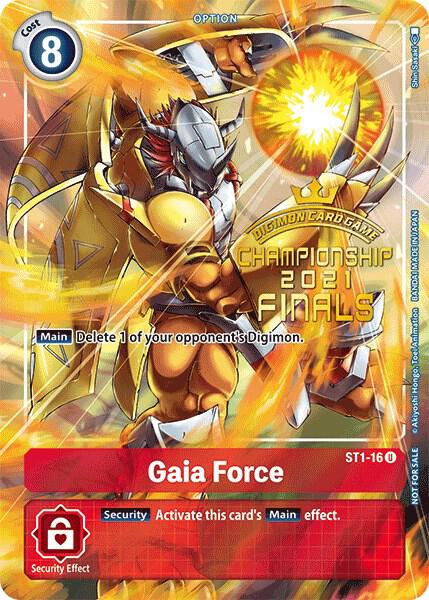
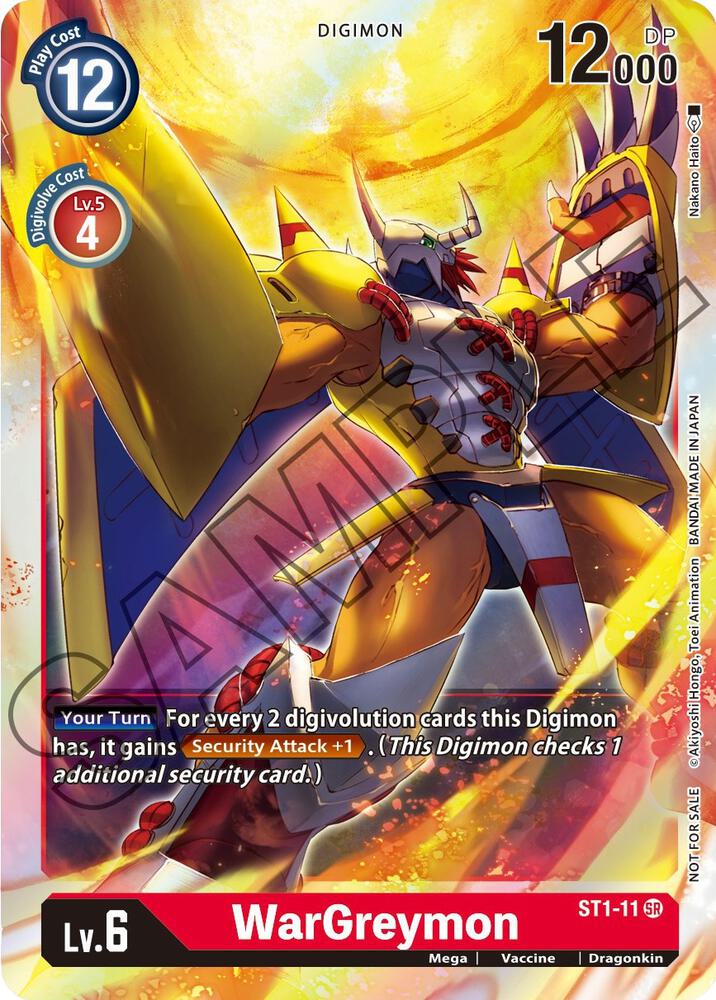
Read one row of that figure as a set instead of a bar and the measurement becomes concrete: the five cards below are the whole of the top-5 share for one measurable set, with each card's own share of tracked set value printed against it.




The distribution, game by game
The table below is the same data one row per game: how many of its sets can be measured, how those measurable sets fall across the three verdicts, how many sets sit under the priced-card floor, and the most and least concentrated measurable set each game has.
| Game | Measured | Highly | Conc. | Spread | Too few | Most concentrated set | Least concentrated set |
|---|---|---|---|---|---|---|---|
| Disney Lorcana | 16 | 6 | 9 | 1 | 3 | Wilds Unknown 81.6% | Promo Cards 35.8% |
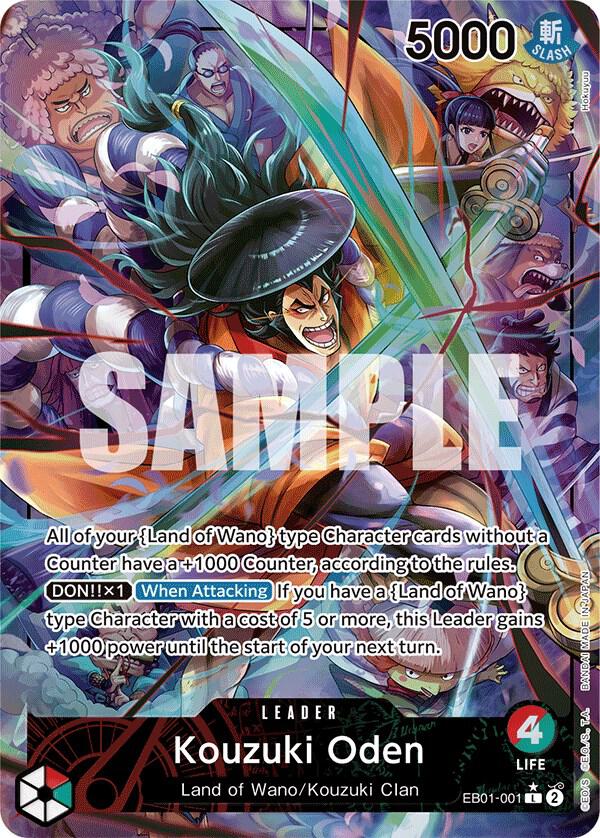
| One Piece | 41 | 25 | 12 | 4 | 41 | Extra Booster: Memorial Collection 92.6% | One Piece Promotion Cards 22.0% |
| Riftbound | 6 | 2 | 4 | 0 | 3 | Organized Play Promotional Cards 78.3% | Spiritforged 45.6% |
| Star Wars: Unlimited | 17 | 3 | 7 | 7 | 11 | Intro Battle: Hoth 77.8% | Galactic Championship 2026 25.5% |
| Gundam Card Game | 19 | 14 | 4 | 1 | 3 | Edition Beta 97.9% | Promotional Resource Tokens 27.4% |
| Digimon Card Game | 67 | 29 | 32 | 6 | 30 | Starter Deck 01: Gaia Red 99.2% | X Record 25.7% |
| Dragon Ball Super: Fusion World | 31 | 14 | 10 | 7 | 18 | Raging Roar 88.3% | Cross Force Release Event Cards 19.7% |
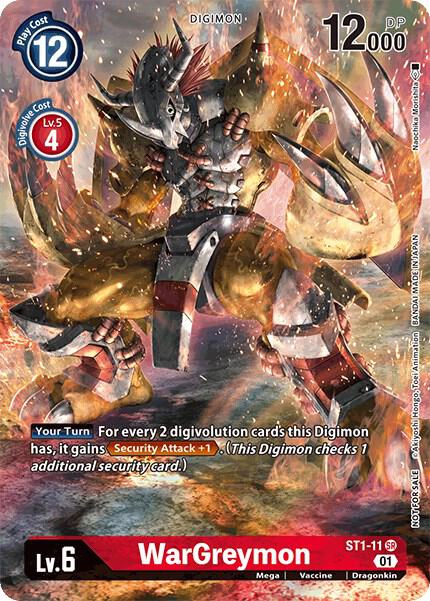
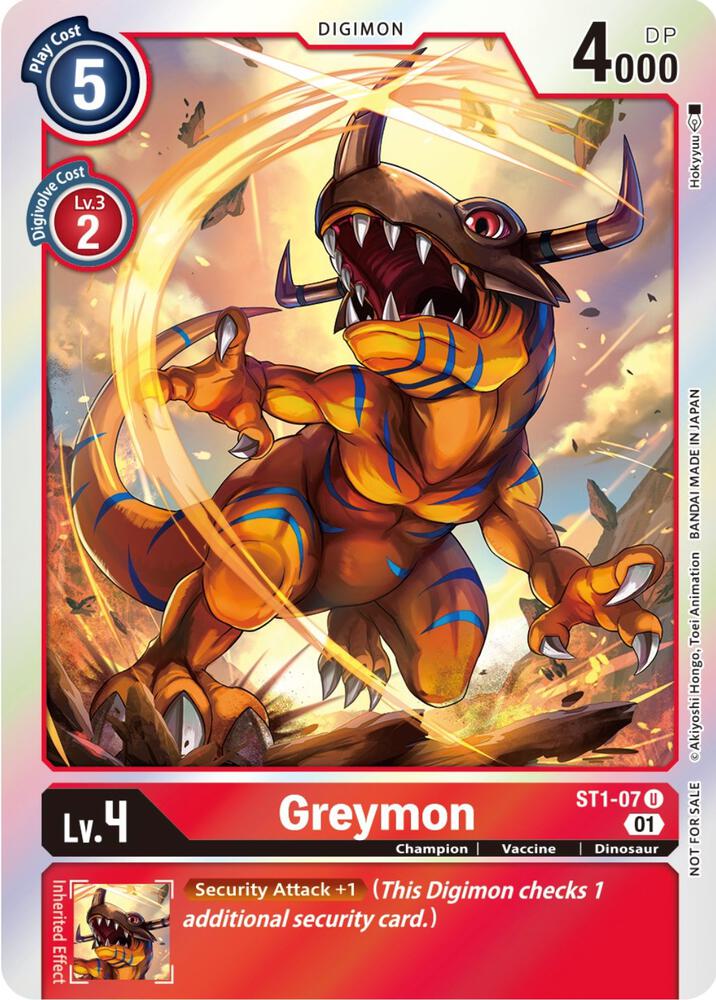
The extreme is Starter Deck 01: Gaia Red in Digimon Card Game: 99.2% of the set's tracked value sits in five printings, measured over 22 priced cards. That is not a quirk of a tiny pool — it is what a small set with one very expensive chase looks like when the rest of the checklist prices in single digits. Here are those five cards, with each one's share of the set.
Across the seven games there is no consistent gap between main booster sets and promotional or event pools in this snapshot, so we are not claiming one.
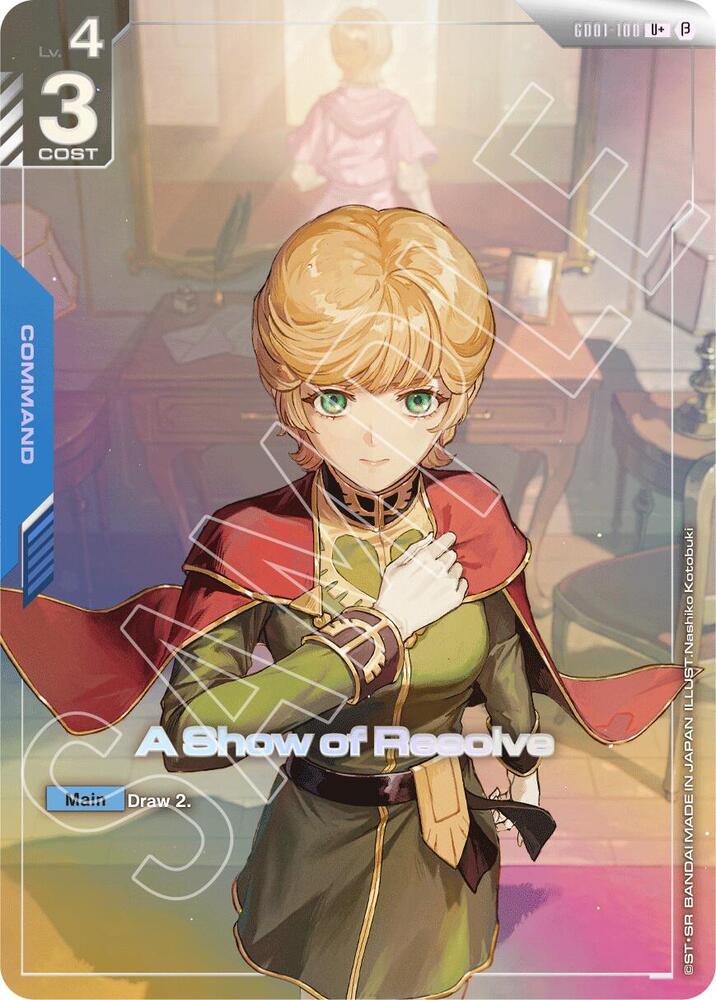
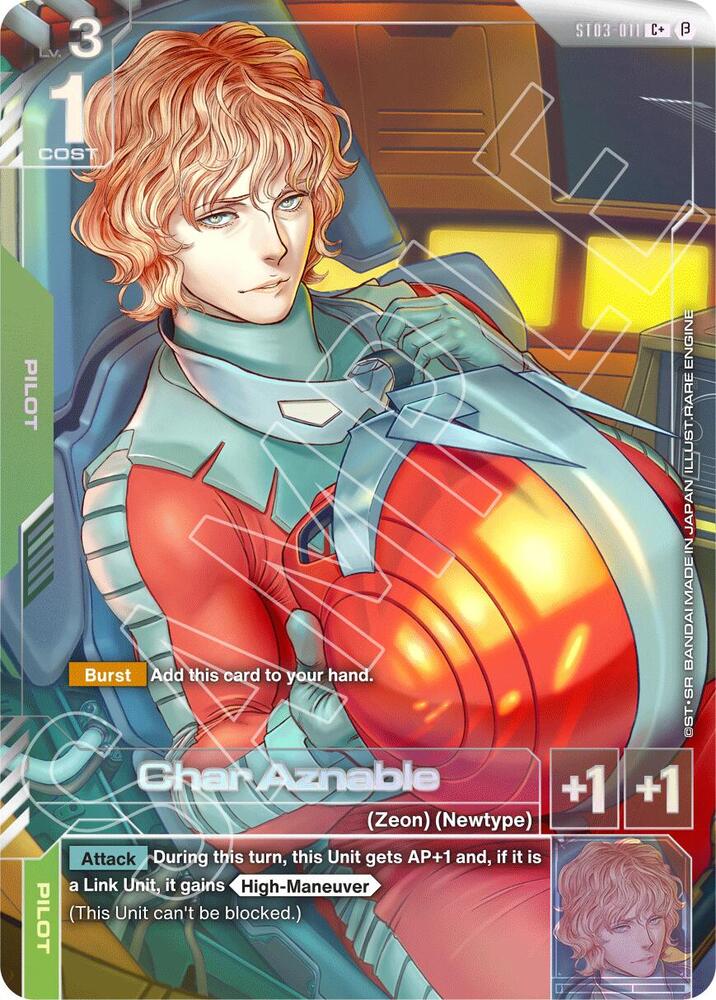

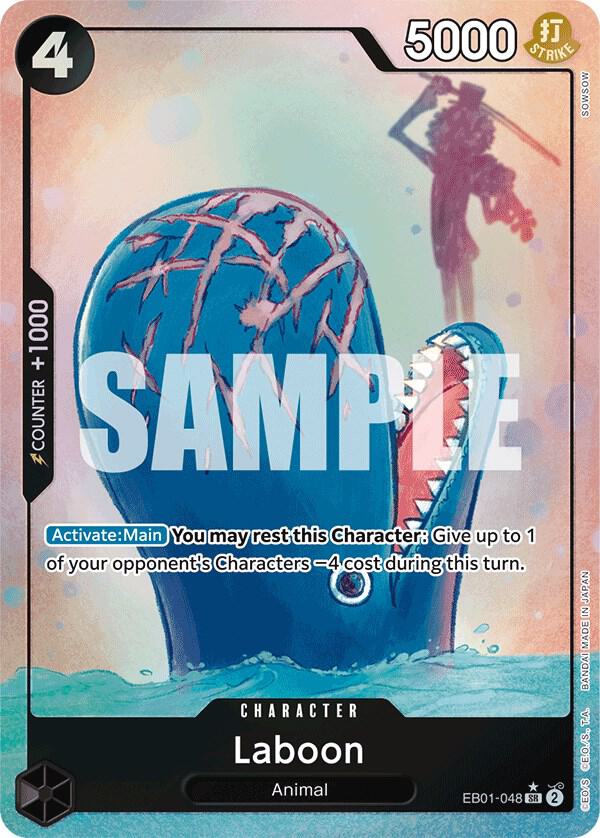
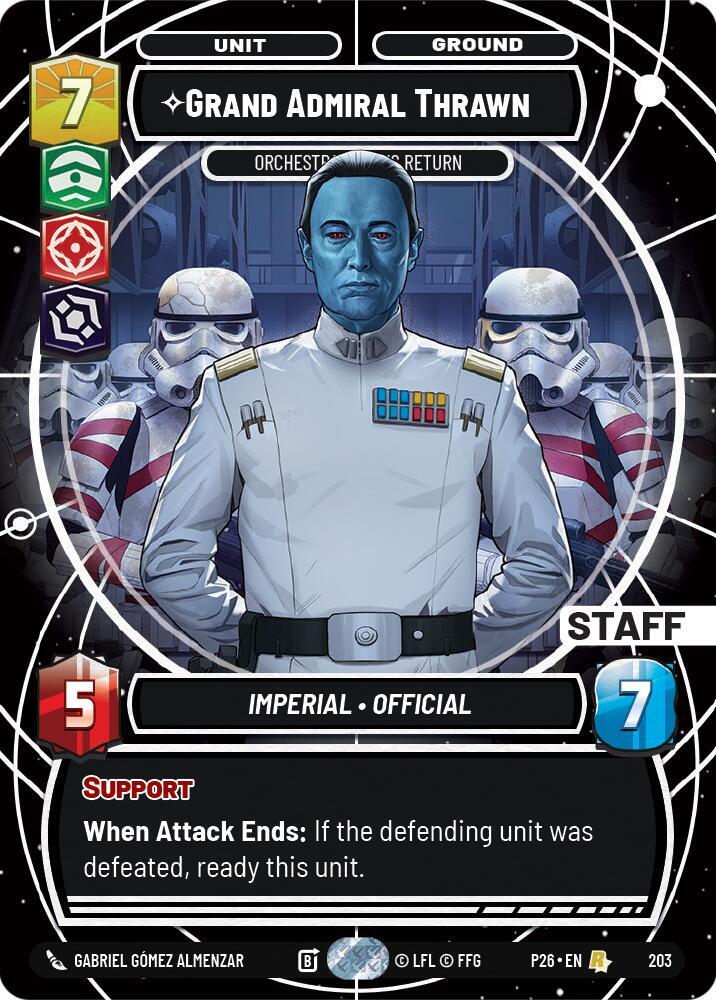
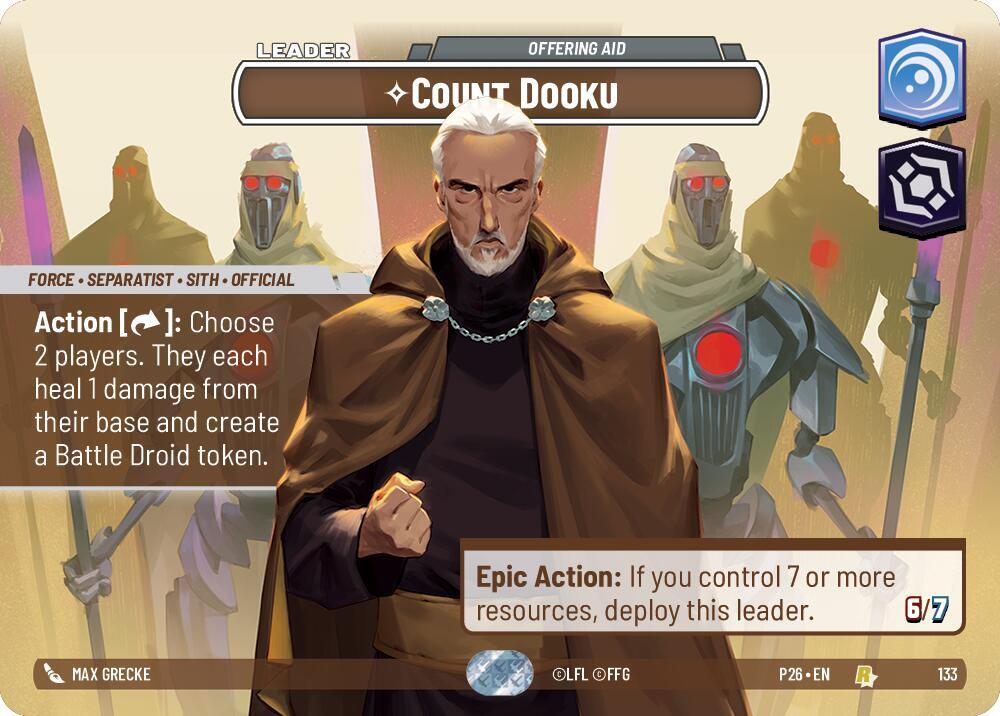
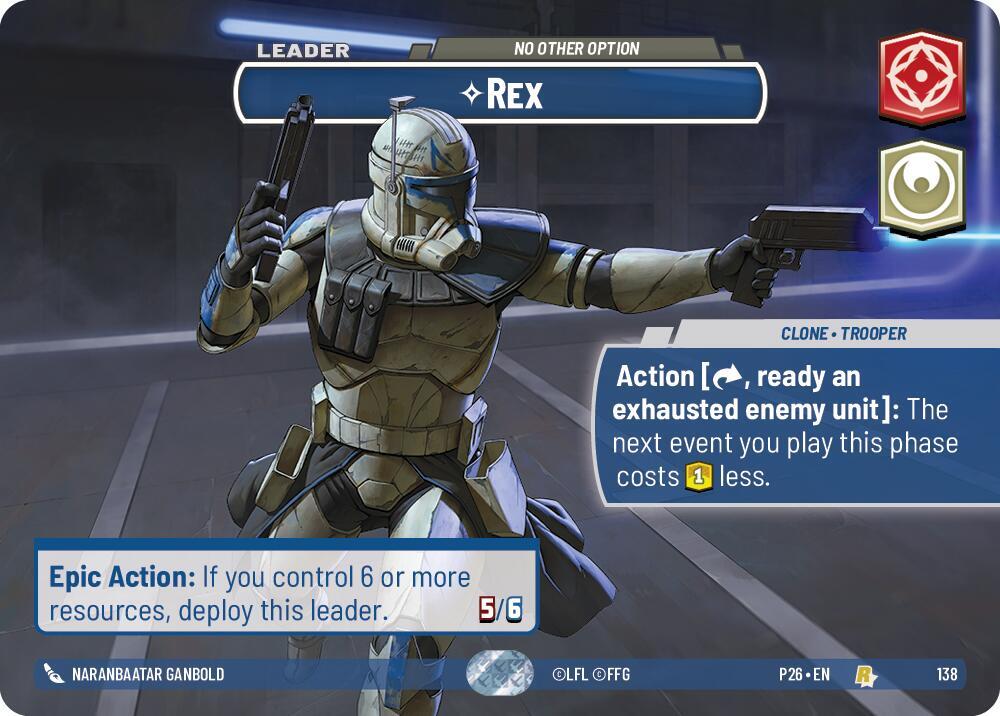
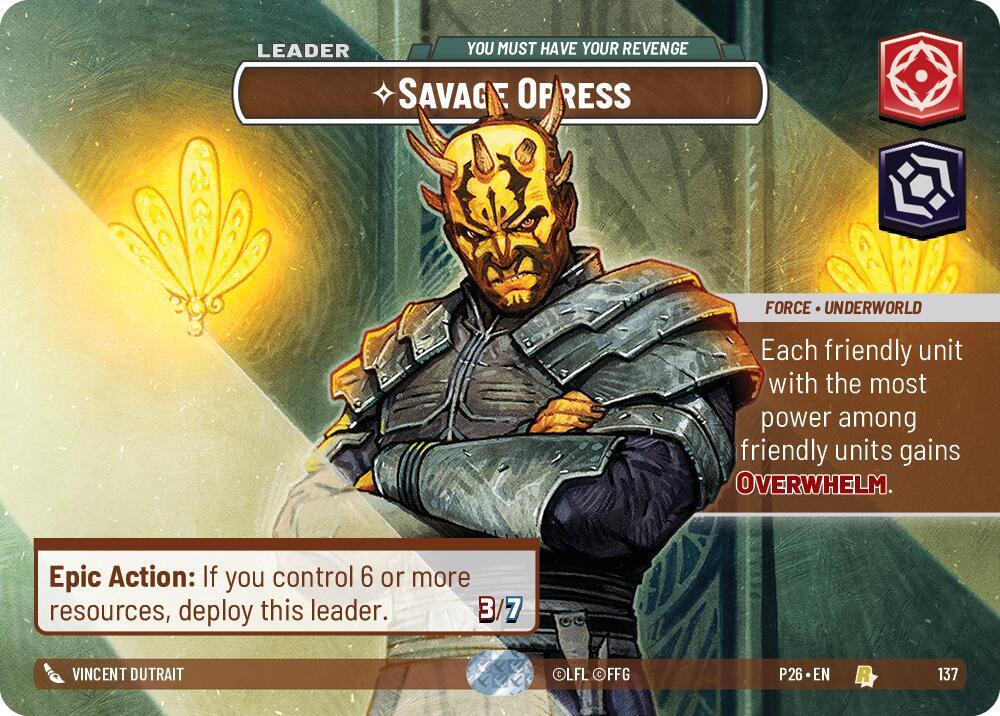
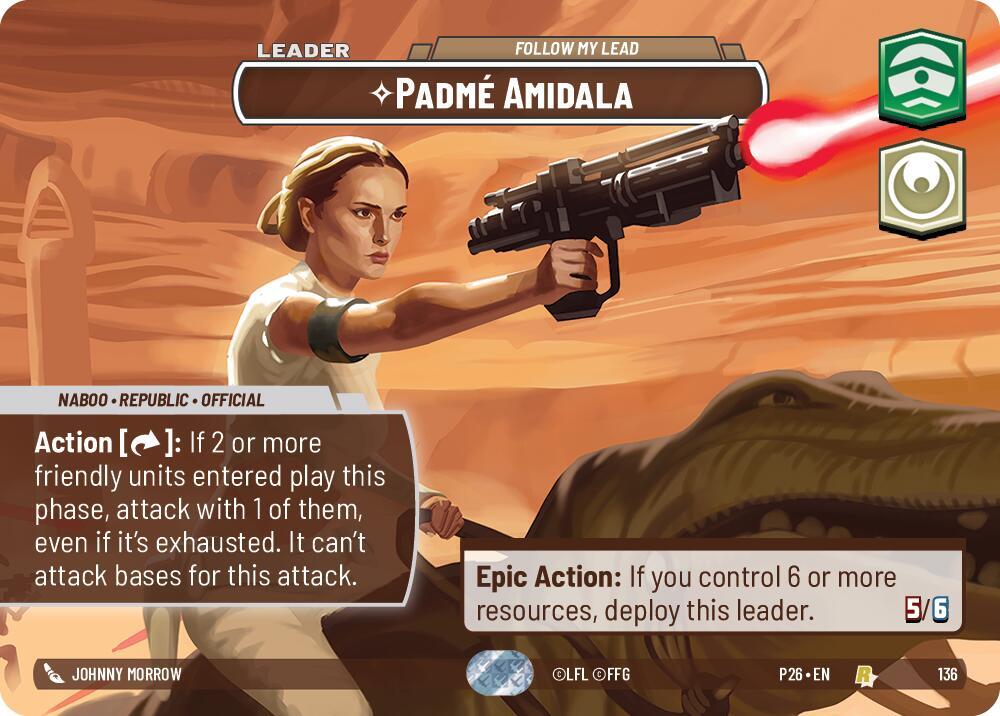
Star Wars: Unlimited is the outlier game. 7 of its 17 measurable sets are spread out — more than any other game here — and only 3 are highly concentrated. The reason is visible in the priced-card counts rather than in anything about the cards: its main sets carry very large eligible pools (Ashes of the Empire, 491; A Lawless Time, 430; Secrets of Power, 392). When several hundred printings in a set each carry a real price, five of them cannot hold most of the total, and the top-5 share falls out low as arithmetic, not as a judgement about the set.

What a high top-5 share describes
Concentration is a description of where a set's tracked value sits on one day, and nothing more. When the top-5 share is high, most of what the set is worth on paper is held by a handful of printings, so the set's total moves largely with those cards: if the chase softens, the total softens with it even when every other card in the checklist is unchanged. When the share is low, the same total is spread over a long tail, and it takes broad movement rather than one card to shift it. Neither reading is better than the other, and neither says anything about what any card will do next. The set page's Chase Concentration block names the specific cards behind whichever number a set carries, so the question "which cards is this set's value actually in?" is answerable in one click rather than inferred.
Honest limits
Six of them, stated plainly. This is a single snapshot dated August 25, 2026 — a different day gives different percentages, and a set near a verdict boundary can change verdict without anything meaningful happening. It is Market Price only: no sold-listing feed, no auction data, no grading premiums. 109 of the 306 sets are unmeasured because they hold fewer than 20 eligible priced cards, and small or new sets are over-represented in that group, so the measured population skews toward established sets. Promotional, event and starter pools are counted as sets here because that is how the feeds classify them, which pulls the spread-out column up. Serialized one-offs and listings our classifier flags thin or outlier are excluded, so a set's tracked value here is smaller than the sum of every listing attached to it. And "tracked value" is our tracked value: cards we do not price do not appear in either the numerator or the denominator.
Where to check the same numbers
Every set page carries its own Chase Concentration block, and each game's sets index can be sorted by concentration: Disney Lorcana sets, One Piece sets, Riftbound sets, Star Wars: Unlimited sets, Gundam Card Game sets, Digimon Card Game sets, Dragon Ball Super: Fusion World sets. The measurement rules and the confidence tiers behind them live on the methodology page; the cross-game view of how these markets have moved is on the Market Compass, per-game breakdowns are in market analytics, and dated set releases are on the release calendar.
InkSight is an independent price-tracking site. Card names and card images are the property of their respective publishers; card images served from TCGplayer. InkSight is an unofficial fan resource, not affiliated with, endorsed by or approved by Fantasy Flight Games, Lucasfilm or Disney. © & ™ Lucasfilm Ltd. © Fantasy Flight Publishing, Inc. Prices as recorded by InkSight on August 25, 2026 and will have moved since.