What the Gundam Card Game is
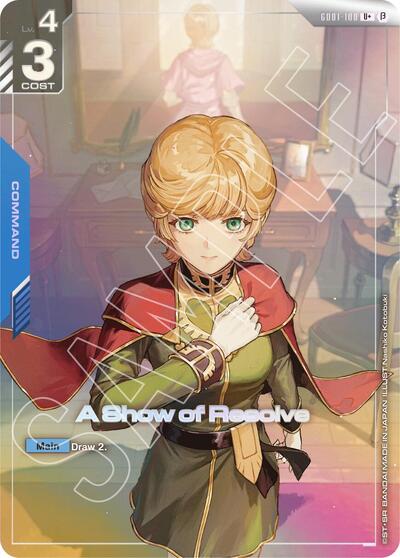
The Gundam Card Game is Bandai's two-player card game built on the Mobile Suit Gundam franchise. If you have played One Piece or Digimon, the shape will feel familiar — Bandai's house design language is all over it — but the pilot system is genuinely its own idea.
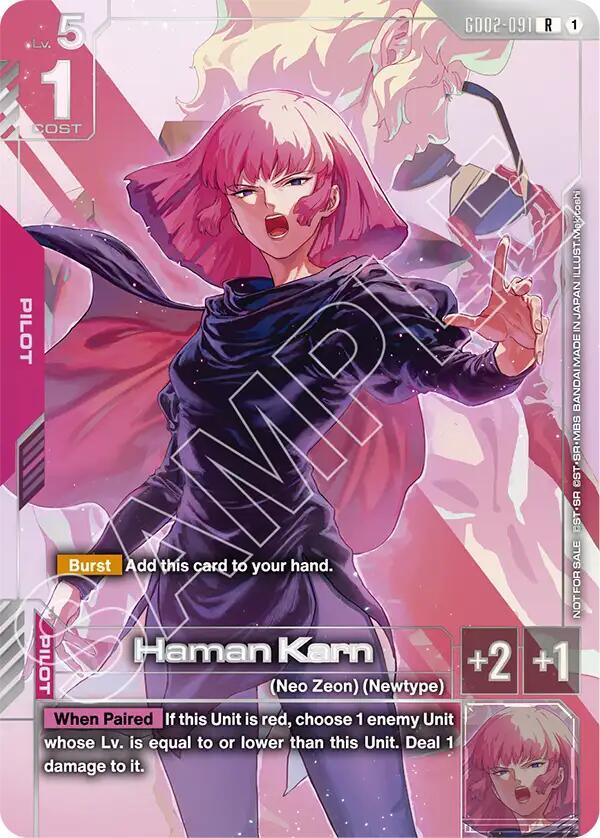
You field units (the mobile suits), and you can pair a pilot card onto a unit to change what it does: extra stats, extra abilities, sometimes a completely different role. Command cards are your instants and sorceries, bases defend, and the resource area is fed by resource cards. The game also ships token cards — EX Base and EX Resource — that the rules hand out at setup rather than being drafted or bought.
We track 1,835 printings across 7 main sets, 10 starter decks and the promo lines, priced from a daily TCGplayer snapshot (latest: August 25, 2026).
Colours decide your deck
Cards belong to one of five colours — White (352), Green (345), Blue (342), Red (295), Purple (244) — and your deck is built around one or two of them, much as in any colour-identity game. There are also 257 colourless printings: resources, EX Base and EX Resource tokens, and the utility cards that slot into anything.
Composition tells you where the game's weight sits: 1,000 units, 254 pilots, 267 commands, 101 bases, 152 resources. Units are the bulk of every set, pilots are the smaller, more contested pool, and pilots are also where the interesting prices tend to be, because a pilot that unlocks a strong unit is bought in multiples.
Start with a starter deck
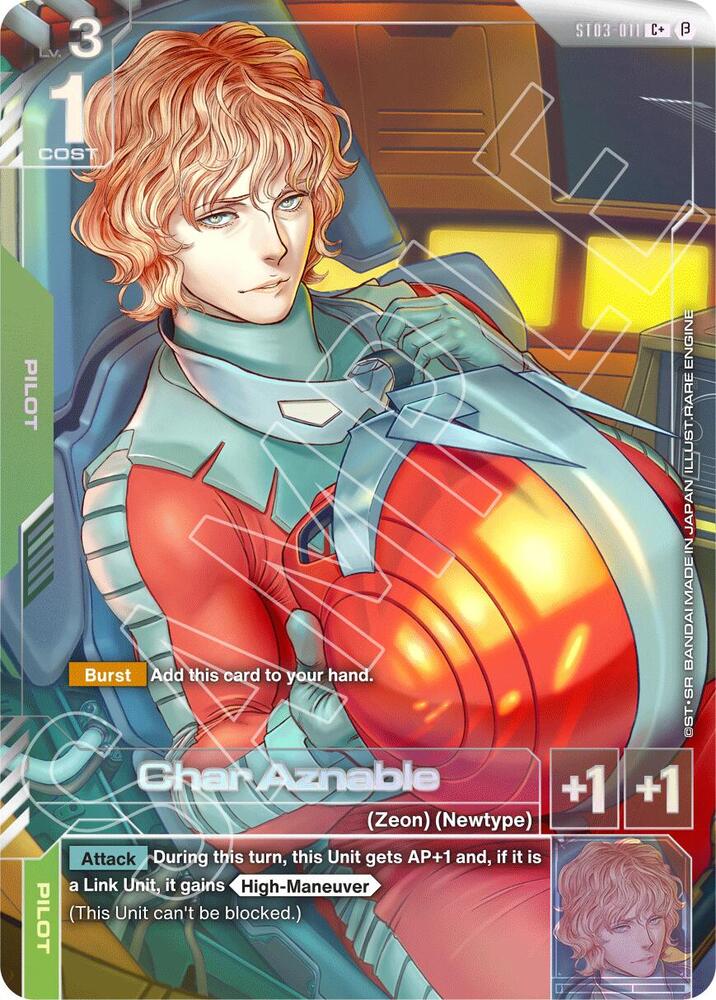
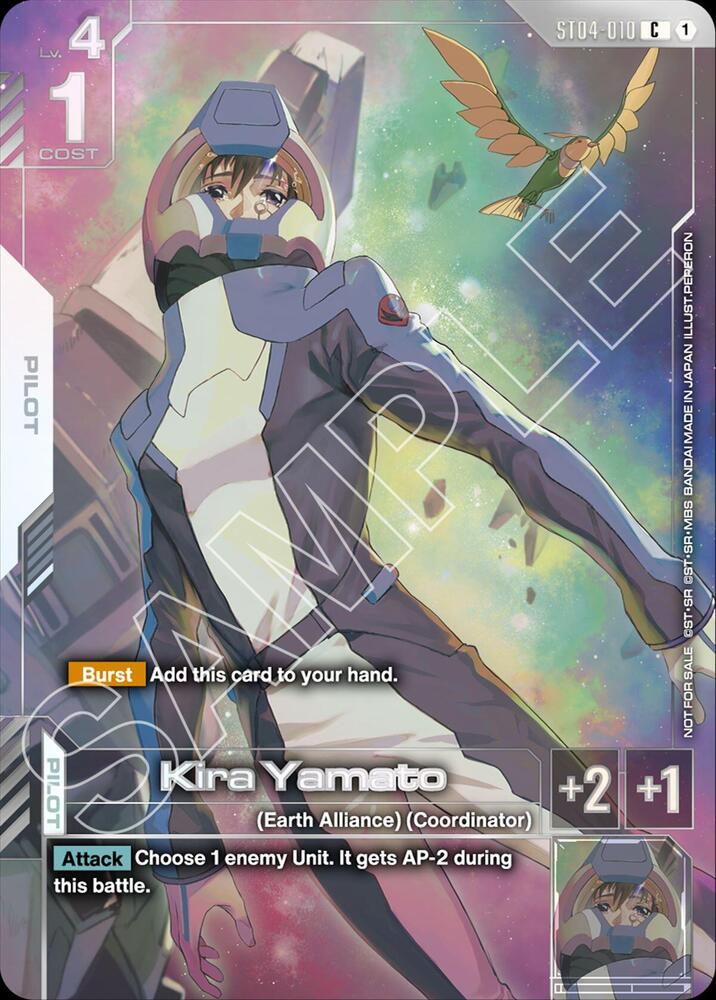
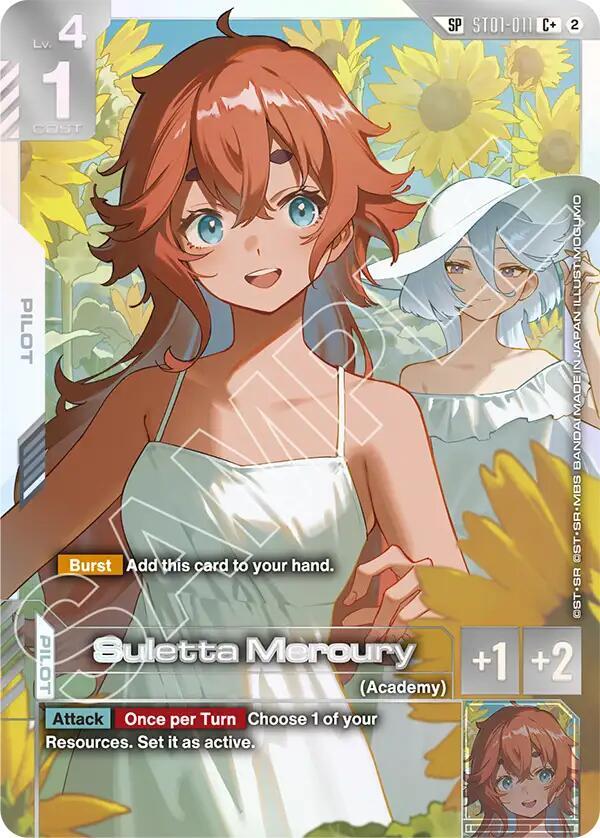
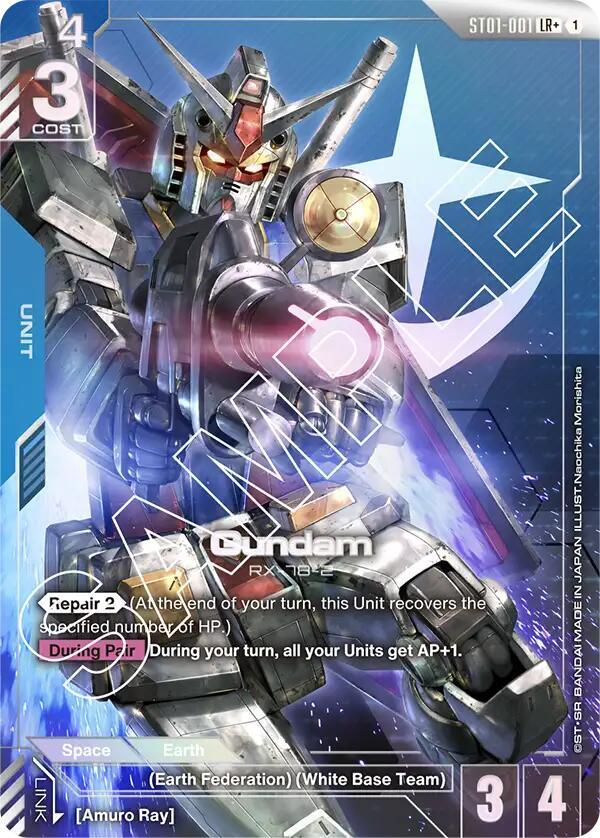
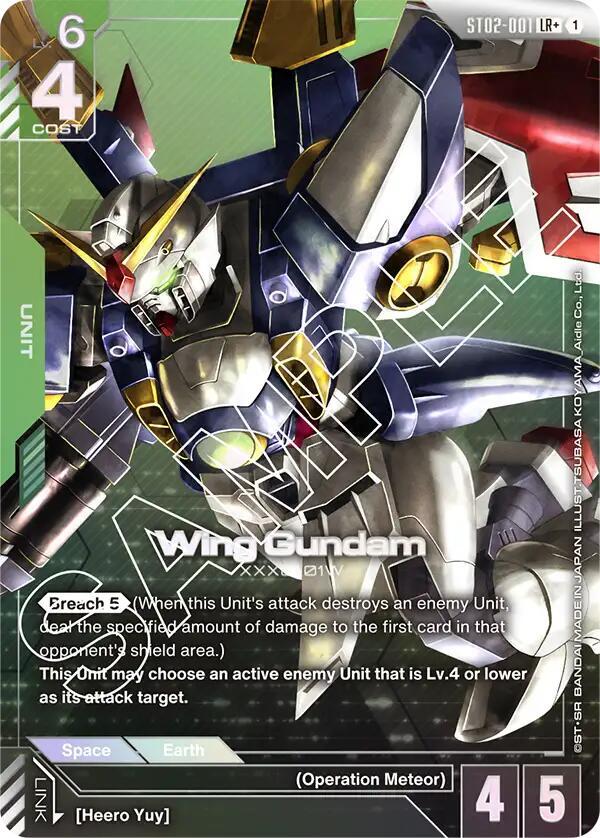
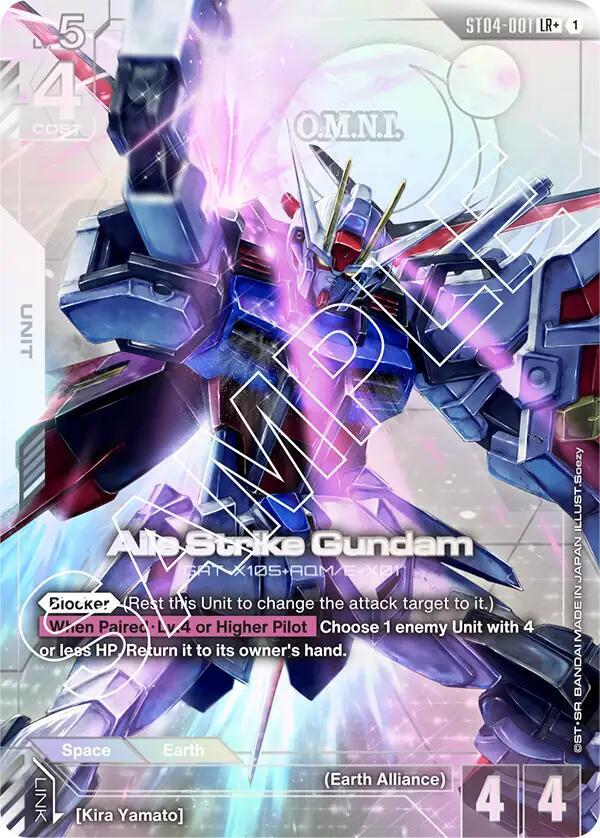
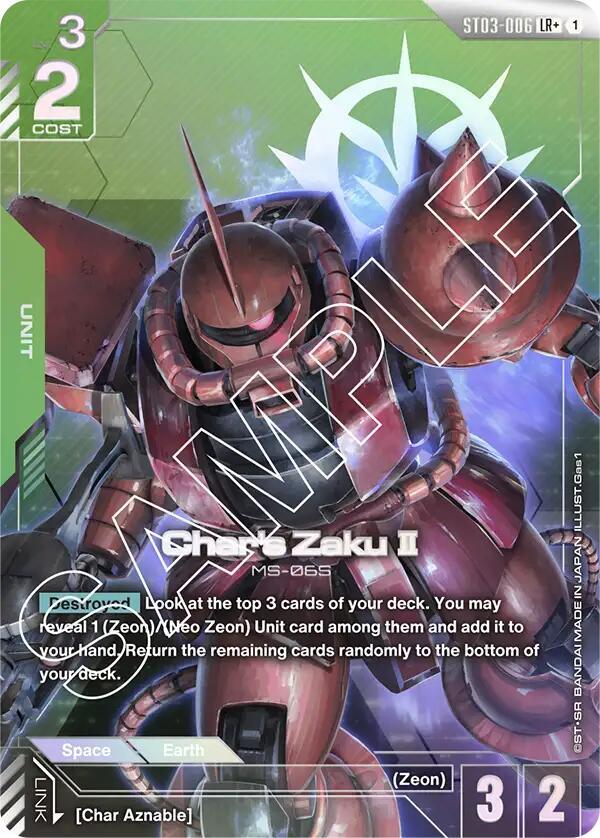
Bandai has released 10 numbered starter decks (ST01: Heroic Beginnings, ST02: Wings of Advance, ST03: Zeon's Rush and on), and every one of them is a complete, legal, ready-to-play deck. This is the cheapest and least confusing entry point in the game: you get a coherent colour, the units and pilots that work together, and nothing to build.
The singles inside a starter deck are cheap on the secondary market too, which means a second copy of a key card is usually a couple of dollars rather than a second box.
Main sets and sealed prices
| Set | Printings tracked |
|---|---|
| Steel Requiem | 202 |
| Freedom Ascension | 197 |
| Phantom Aria | 194 |
| Newtype Rising | 192 |
| Dual Impact | 187 |
| Eternal Nexus | 108 |
| Edition Beta | 81 |
Printings tracked = separate TCGplayer products in the August 25, 2026 snapshot; parallels count separately because they are priced separately.
What parallels mean for a buyer
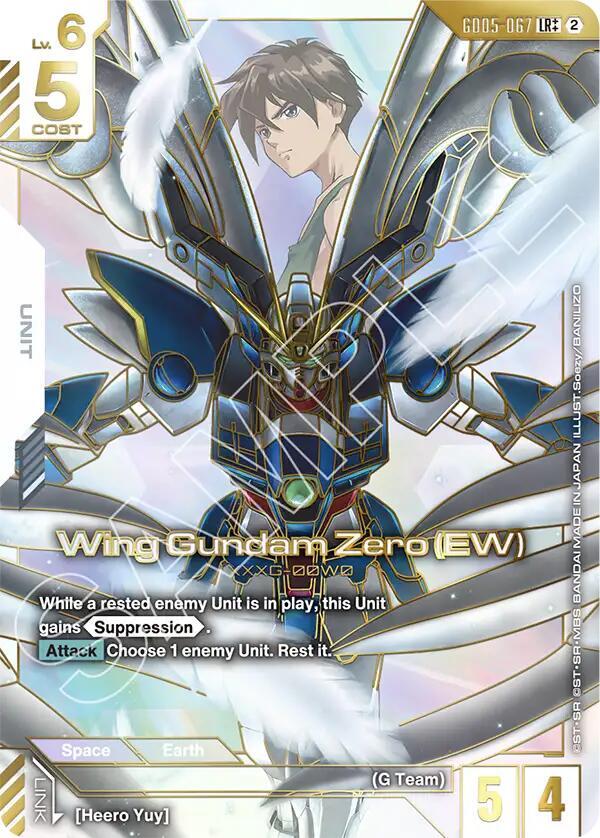
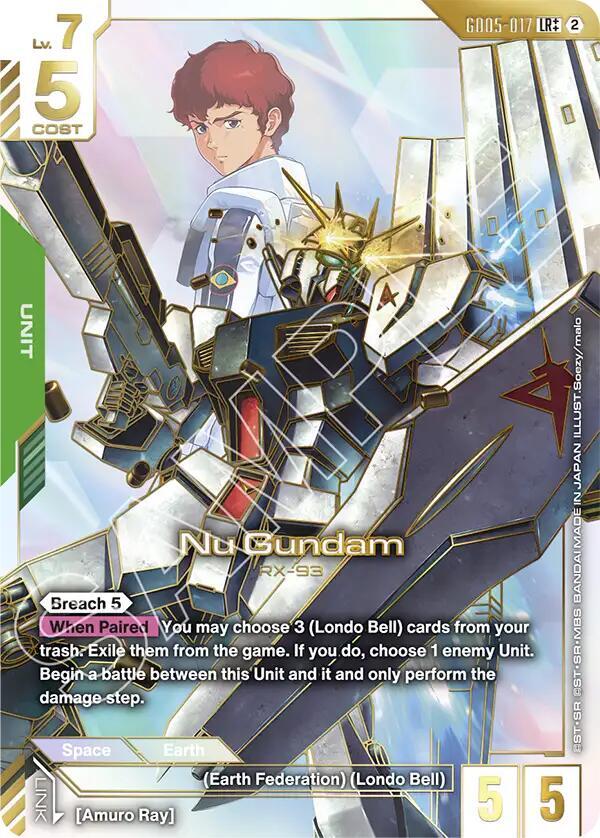
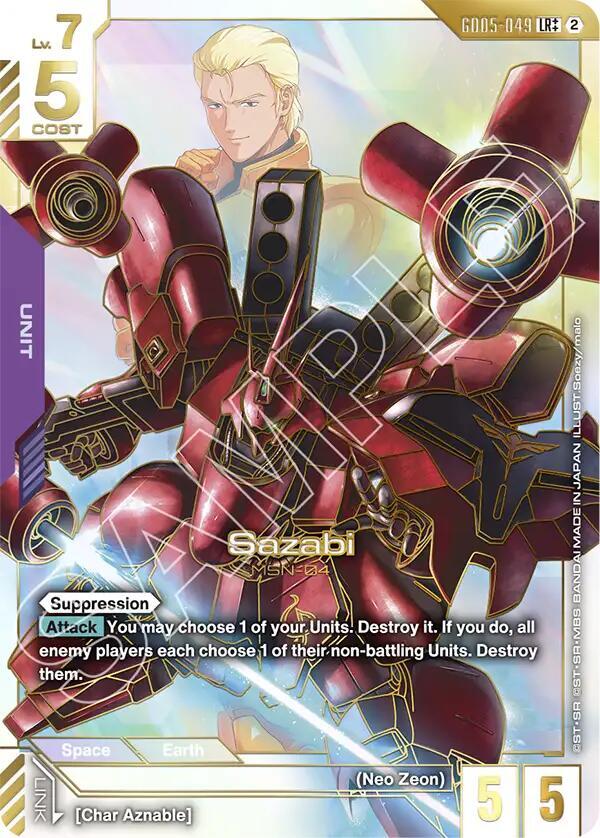
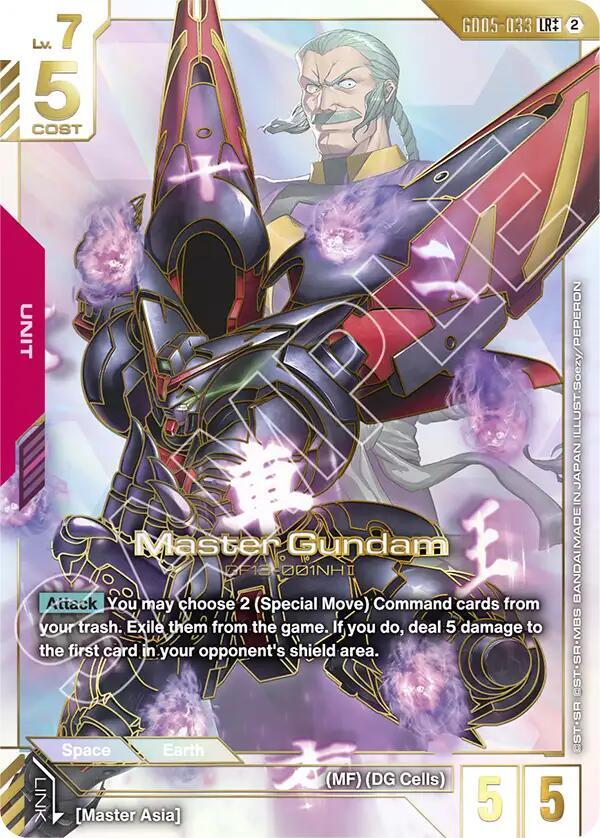
Bandai prints alternate-art versions of cards at the same rarity, and TCGplayer encodes them with a "+" on the rarity code: C+, R+, LR+, and occasionally a double LR++. This is the single most important thing a new Gundam buyer needs to know, because the parallel and the base card look identical in a search result and are not remotely the same product.
The gap is not subtle. On the August 25, 2026 snapshot the median Common sits at $0.42 while the median Common parallel sits at $8.30. At the top of the ladder, a Legend Rare medians $1.93 and its parallel $38.33. If you are buying to play, buy the base version and save the difference; if a listing looks impossibly cheap for a parallel, check the suffix before you check your luck.
Bandai does not publish pack odds for the Gundam Card Game, so we publish no pull rates for it. The rarities and parallels guide goes through the whole ladder with current medians.
Budget guidance
- Around $20: one starter deck. Complete and playable out of the box.
- Around $50: two starters plus sleeves, so you can teach the game.
- Around $120: a starter plus base-rarity singles for a tuned deck.
- $200+: a booster box, understanding that you are buying the opening experience.
Next: the rarities and parallels guide, the Pilots and Units galleries, and the market hub for what moved overnight.
Common questions
What do you need to start the Gundam Card Game?
One starter deck. Bandai has released ten numbered starter decks and each is a complete, legal, ready-to-play deck with its own colour identity, units and pilots. Sleeves are the only other purchase worth making immediately.
What is a pilot card in the Gundam Card Game?
A pilot is a card you pair onto a unit to change what that unit does — adding stats, abilities or an entirely different role. Pilots are a smaller pool than units and are often the more contested cards in a deck.
What does the "+" on a Gundam card rarity mean?
It marks a parallel: an alternate-art printing of the same card at the same rarity. C+ is a Common parallel, LR+ a Legend Rare parallel, LR++ a double parallel. A parallel is a separate product with its own, usually much higher, price.
Which Gundam starter deck should I buy first?
Whichever colour and series you like — all ten are legal and self-contained, and none is a strictly stronger purchase for a new player. If you plan to attend events, ask your shop which decks people are actually playing locally.
What are the pull rates for Gundam Card Game boosters?
Bandai does not publish pack odds for the Gundam Card Game, so InkSight publishes no pull rates for it. Any figure quoted elsewhere comes from someone’s own opening sample rather than a disclosed rate.