01 What Whatnot actually is
Whatnot is a live-shopping app. Sellers run a video stream, put items in front of a camera, and sell them in real time — mostly by auction, sometimes at a fixed price. Trading cards are one of its biggest categories, alongside sneakers, comics and collectibles. If you have never used it, the closest comparison is a shopping channel crossed with a Twitch stream: a host talking, a chat scrolling, and a countdown timer on whatever is currently for sale.
Two things follow from the format. First, it is fast — an auction can open and close inside 30 seconds, which is roughly the amount of time it takes to talk yourself into one more bid. Second, it is social — you are bidding in front of an audience, against people who are also enjoying themselves. Neither of those is a reason to stay away. Both are reasons to arrive with numbers already open.
02 How live breaks and auctions work
Four formats cover almost everything you will see on a card stream:
- Auctions. A single card or lot, an opening price, a short timer that resets on each bid. Highest bid wins. This is where most singles move.
- Breaks. The seller opens sealed product live and you buy a "spot" beforehand. A spot might be a specific team, a colour, an ink, a random slot — whatever the break's rules say. You are buying the cards that come out of your spot, not a guaranteed value.
- Buy-it-nows. Fixed-price items pinned in the stream. No timer, no bidding war — the same purchase you would make on any marketplace, just with a host talking over it.
- Giveaways. Free entries used to hold an audience. Fun, and irrelevant to whether the stream's pricing is any good.
The money detail people miss is shipping. Most sellers ship per order, and many consolidate everything you win in a session — or across a window of days — into one package. Winning six $4 cards from one seller in one night is very different from winning six $4 cards from six sellers. Read the seller's shipping terms before you bid, because a $4 card with $5 of shipping is a $9 card.
"Spot" is worth pinning down too: in a break, a spot is a claim on part of the product, priced by how good that part is expected to be. The seller sets those prices. Nothing about a spot price tells you what the cards inside it are worth — which is the whole reason the next section exists.
03 The InkSight angle: bid discipline
Here is the one habit that changes your results on any live-auction platform: look the card up before you bid, and write down the number you will not go past. Auctions overheat. They also, regularly, close below market — both things are true on the same stream, sometimes ten minutes apart. The only way to know which one you are in is to have the market price in front of you.


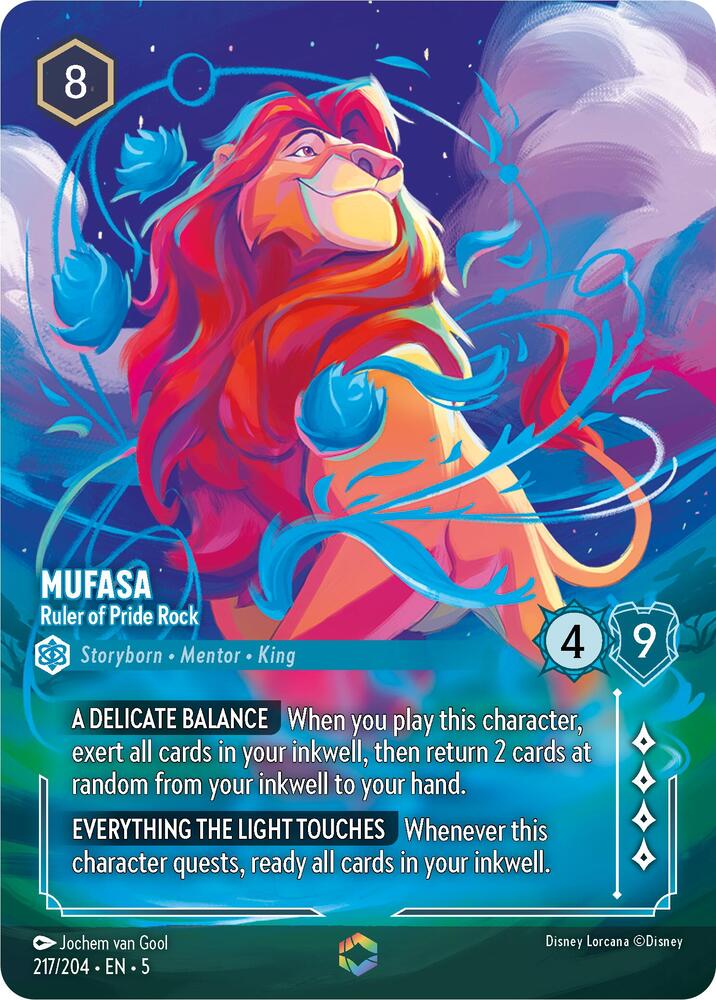
A worked example, using our own data. Mufasa — Ruler of Pride Rock (Enchanted) (Shimmering Skies) carried a market price of $375.55 in our daily snapshot as of August 14, 2026. That is your reference point, not your ceiling and not your target. If a live auction for that card is sitting at $262.88 with five seconds left, you are looking at a discount to the last price the wider market paid. If the same auction is at $488.22 because two people in chat decided it was their card tonight, you are paying a premium for the atmosphere. Same card, same stream, opposite decisions — and the only thing that told you apart was the number you had open.
Do the same thing per game before you join a stream: our Disney Lorcana market dashboard, One Piece, Riftbound, Star Wars: Unlimited and Gundam pages all carry daily market and lowest-ask prices, and every card has its own page with price history. Search is faster than scrolling if you already know the name — try Lorcana card search or the per-game search linked below.


04 What's genuinely good to buy there — and what isn't
Whatnot is not better or worse than a marketplace. It is different, and the difference favours some purchases over others.
Reasonable on a live stream
- Breaks, if you want the experience. You are paying for entertainment plus cards. That is a legitimate purchase as long as you price it that way and not as a value play.
- Mixed lots and bulk. Boxes of playables, binder clear-outs and "everything on the table" lots are awkward to list individually, so they often go cheap.
- Singles that close below market. They happen, especially late in a stream when the audience has thinned. This is exactly the case your reference price is for.
- Sealed from a seller you have bought from before. Known shipping, known packing, known behaviour.
Usually better bought elsewhere
- Commodity singles. A card with hundreds of listings has a visible floor on a marketplace. Bidding for it live can only match that floor or beat it upward.
- Anything you need a specific condition of. Graded slabs aside, condition calls made through a camera are hard, and you are deciding in seconds.
- Anything you would be annoyed to overpay for. If you have an emotional attachment to a card, the auction format is playing on your side of the table and against your wallet.
05 Red flags and newcomer mistakes
- Bidding without a comp. The single most expensive habit. Two seconds on our card page is cheaper than one overheated bid.
- Chasing a lot you already lost. Re-entering at a higher number because you were outbid is how a $40 card becomes a $90 card.
- Ignoring shipping consolidation. Spreading small wins across many sellers stacks shipping on top of every card.
- Treating a break like an investment. Spot pricing is set by the seller and reflects expectation, not outcome.
- Vague terms. If a seller will not state shipping timelines, packing, or how a break's hits are assigned, that is the answer.
- Buying because chat is buying. A room getting loud is information about the room, not about the card.
06 Per-game starting points
Each link opens Whatnot's search for that game; each pairing gives you the InkSight page to check prices against before you bid.
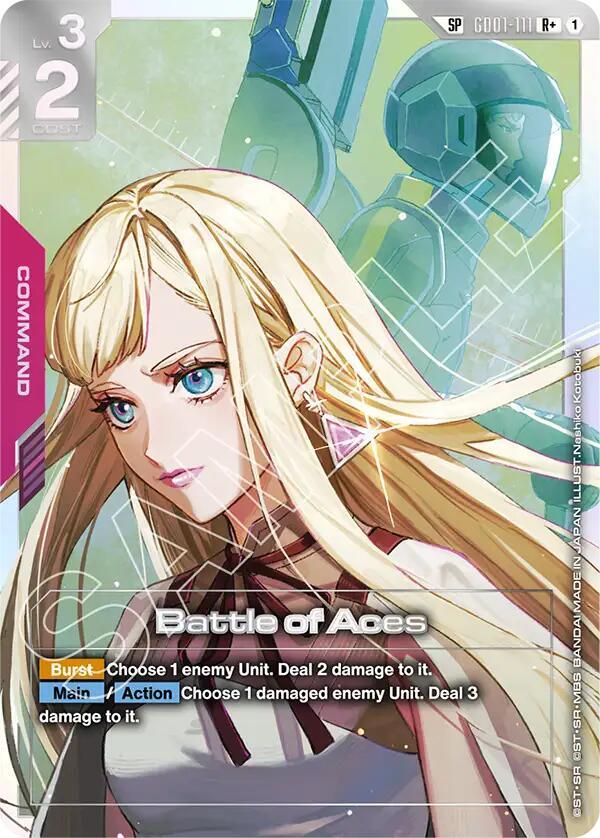
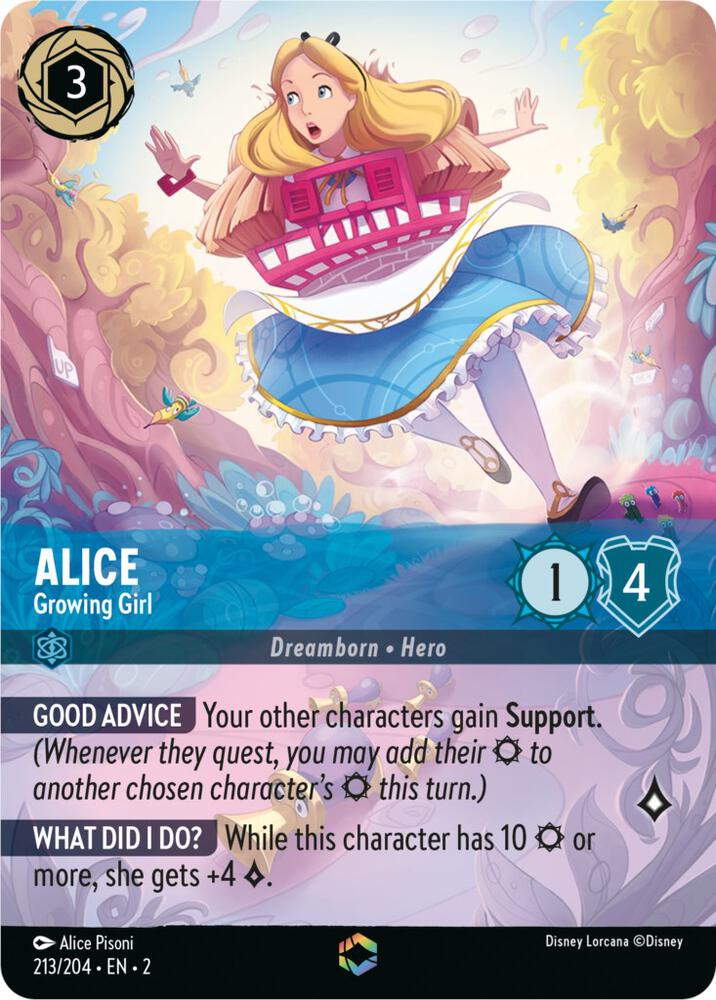
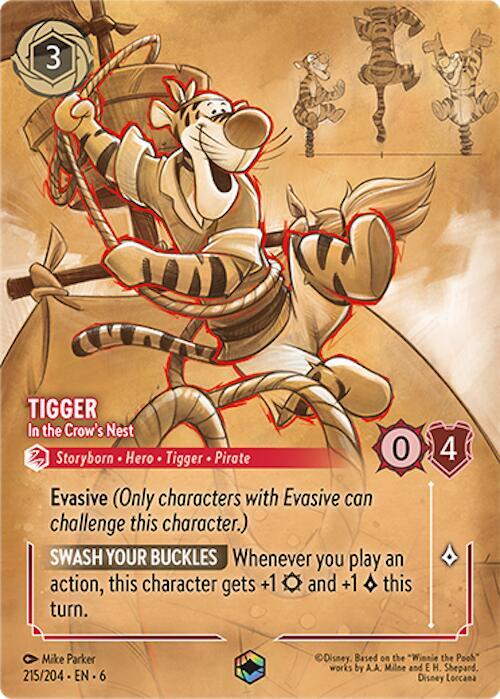
- Disney Lorcana — browse Disney Lorcana on Whatnot, then check the number on our Disney Lorcana market page or look the card up in Disney Lorcana card search.
- One Piece Card Game — browse One Piece Card Game on Whatnot, then check the number on our One Piece Card Game market page or look the card up in One Piece Card Game card search.
- Riftbound — browse Riftbound on Whatnot, then check the number on our Riftbound market page.
- Star Wars: Unlimited — browse Star Wars: Unlimited on Whatnot, then check the number on our Star Wars: Unlimited market page or look the card up in Star Wars: Unlimited card search.
- Gundam Card Game — browse Gundam Card Game on Whatnot, then check the number on our Gundam Card Game market page or look the card up in Gundam Card Game card search.

Browse trading cards on Whatnot — and keep the relevant market page open in a second tab. That is the entire method.